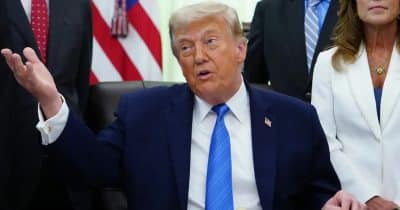
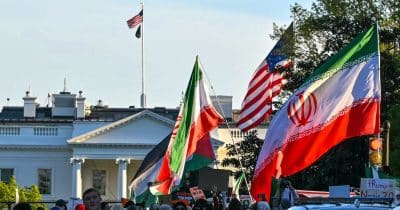
President Donald Trump said his administration anticipates signing a memorandum with Iran in Geneva on Friday, a development he called a potential turning point for stability between the two countries. The agreement, if finalized, could ripple through global energy markets and strengthen nuclear nonproliferation efforts, according to statements from the White House.
Why Geneva was chosen
Switzerland has long served as a neutral ground for sensitive diplomacy. Geneva, in particular, has hosted past rounds of talks on Iran's nuclear program. The city's role as a hub for international organizations makes it a practical venue for a signing that both sides want to keep under the radar until the last moment.
Neither the US nor Iranian delegations have released the text of the memorandum. But officials familiar with the planning describe it as a framework agreement—not a formal treaty—designed to de-escalate tensions that have flared since the US withdrew from the 2015 nuclear deal.
Markets and nonproliferation in focus
A stable US-Iran relationship would remove a major source of uncertainty for oil traders. Iran holds some of the world's largest crude reserves, and any easing of sanctions could bring more supply onto the market. Analysts caution that the impact depends on the memorandum's specifics, but the mere prospect of a deal has already nudged Brent crude prices lower this week.
On the security side, the memorandum aims to curb Iran's uranium enrichment activities. The Trump administration has made nonproliferation a core demand, and Iranian negotiators have signaled willingness to allow stricter International Atomic Energy Agency inspections in exchange for relief from certain economic penalties.
What happens after the signing
Friday's ceremony is only the first step. Both nations must still ratify the memorandum through their respective domestic processes. For the US, that means congressional review—a process that could take weeks. For Iran, the Supreme National Security Council will need to approve the text.
The White House has not set a deadline for implementation. But Trump made clear he expects progress quickly. “We'll see where it goes,” he told reporters. “But I think we have a good shot.”