Extension Gives Diplomacy a Breathing Space
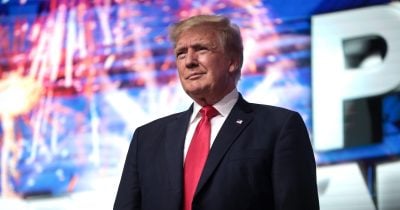
President Donald Trump announced on Tuesday that the fragile truce between Israel and Lebanon will now last an additional three weeks. The Israel-Lebanon ceasefire extension, signed in the early hours of the day, pushes the deadline to May 15 and is being billed as a chance for diplomatic actors to move beyond artillery fire toward substantive negotiations.
Why the Three‑Week Window Matters
Historically, short‑lived pauses have rarely produced lasting solutions, but the added time could allow mediators to address two of the most contentious issues: Hezbollah’s armament and the scale of the Israeli military footprint along the border. According to the United Nations Truce Supervision Group, violations fell by roughly 40 % in the first week of the original ceasefire, suggesting that a longer lull might further reduce hostilities.
Potential Pillars of a Broader Peace Deal
Analysts outline three possible tracks that could shape any future agreement:
- Hezbollah disarmament: International pressure, coupled with incentives such as economic aid, could coax the Lebanese militia into a phased weapons reduction.
- Reduced Israeli presence: Scaling back forward operating bases and artillery positions would address Lebanese concerns about sovereignty.
- Regional security framework: A multi‑nation monitoring mechanism, possibly under UN or Arab League auspices, to guarantee compliance.
Each pillar requires delicate bargaining, and the three‑week extension is the only realistic period for senior officials to convene in Geneva or Washington.
Expert View: The Odds of Success
"The extension is a diplomatic gift, not a guarantee," says Dr. Maya Al‑Hassan, senior fellow at the Middle East Institute. "If negotiators can translate the temporary calm into concrete confidence‑building measures, we might see the first real step toward a lasting settlement since 2006. But without clear enforcement mechanisms, the ceasefire could dissolve once the clock runs out."
Risks and Uncertainties Ahead
Even with a longer ceasefire, several flashpoints remain:
- Hard‑line factions within Hezbollah who reject any compromise on arms.
- Israeli political pressure to maintain a robust deterrent posture.
- External actors, such as Iran and Saudi Arabia, whose regional rivalries could reignite tensions.
Data from the Institute for National Security Studies shows that public support in Lebanon for a negotiated settlement sits at just 38 %, while 55 % of Israelis favor a stronger security presence. Bridging these opinion gaps will be essential for any durable peace.
What Comes Next?
As the countdown begins, the United States is expected to dispatch a senior diplomatic team to the region. Simultaneously, UN observers will increase patrols along the Blue Line to monitor compliance. If the talks gain traction, the next milestone could be a formal agenda for Hezbollah’s weapon inspections, slated for early June.
Conclusion: A Tentative Step Toward Stability
The Israel-Lebanon ceasefire extension offers a rare pause in a volatile border, creating a narrow window for peace talks that could reshape the Middle East’s security landscape. While the path ahead is fraught with political hurdles, the added three weeks may be enough to turn a temporary lull into a stepping stone for longer‑term reconciliation. Stay tuned for updates as regional leaders navigate this critical juncture.