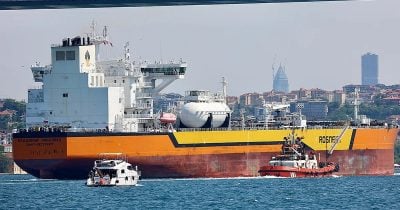
President Donald Trump has ordered a temporary halt to military strikes against Iran, clearing the way for diplomatic talks focused on the Strait of Hormuz and Tehran's nuclear program. The move pauses what had been an escalating confrontation in the Persian Gulf, but officials caution that the underlying tensions remain unresolved.
Why the strikes were halted
The decision to suspend military action came after weeks of rising rhetoric and tit-for-tat incidents in the region. According to administration sources, the White House sees a narrow window for negotiations that could address two of the most volatile issues: freedom of navigation through the Strait of Hormuz, a critical chokepoint for global oil shipments, and Iran's advancing nuclear enrichment. The halt is described as temporary, with no fixed timeline, and is contingent on Iran's willingness to engage in good-faith talks.
What's at stake in the talks
The Strait of Hormuz has been a flashpoint for years, with Iran threatening to block the waterway in response to sanctions. Any disruption would send energy prices soaring and risk a broader military confrontation. On the nuclear front, Iran's enrichment levels have crept closer to weapons-grade, alarming the International Atomic Energy Agency and Western governments. The talks aim to freeze or roll back those activities in exchange for sanctions relief. But the two sides remain far apart on core demands, and neither has shown a willingness to compromise publicly.
Unresolved risks remain high
While the halt in strikes buys time for diplomacy, the underlying drivers of conflict have not disappeared. Iran's leadership has signaled it will not negotiate under the shadow of military threats, and the U.S. has not ruled out returning to a "maximum pressure" campaign if talks fail. Analysts warn that the pause could be short-lived if either side perceives the other as stalling. The coming weeks will test whether this window leads to a broader deal or simply delays the next crisis.