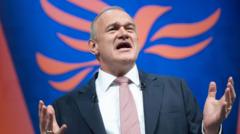
President Donald Trump welcomed Iraqi Prime Minister Ali al-Zaidi to the White House this week, pledging to deepen economic ties between the two countries. The meeting, a standard diplomatic affair, produced no immediate crypto-related announcements. But for those watching the intersection of geopolitics and digital assets, the implications could be significant — especially for the stablecoin market.
The meeting and the pledge
Trump and al-Zaidi met on July 15, 2026, at the White House. The official readout focused on strengthening bilateral economic cooperation. No specific trade deals or energy agreements were signed. Yet the timing matters: Iraq is a major OPEC producer, and the US is its key ally in the region. Any deepening of ties could reshape energy markets and, by extension, the economics of Bitcoin mining and stablecoin issuance.
📊 Market Data Snapshot
Why crypto markets should care
The most direct crypto angle is the potential for an oil-backed stablecoin. Iraq, sitting on vast oil reserves, could leverage those assets to issue a digital currency for trade settlement. That would bypass the dollar and directly challenge Tether's USDT hegemony. It's a second-order effect — the market is fixated on BTC's price action and ETF flows — but the structural shift in stablecoin supply would alter on-chain liquidity patterns.
There's also the mining angle. If deeper US-Iraq ties lead to increased Iraqi oil production or lower global oil prices, energy costs for Bitcoin miners could drop. Cheaper electricity means better margins and less selling pressure from miners. That's a subtle bullish tailwind most analysts overlook.
What most media missed
Three things got little attention. First, Iraq's large unbanked population and $20 billion in annual remittances make it a natural market for crypto. US-backed economic reforms could include fintech partnerships, opening the door for regulatory clarity on exchanges and stablecoins. Second, the individuals involved have crypto-friendly ties: Trump's team includes David Sacks as AI and crypto czar, and al-Zaidi has a background in economics and digital transformation. Backchannel discussions on digital assets may have occurred. Third, lower oil prices from increased Iraqi output would reduce natural gas flaring costs for miners, improving their bottom line.
What to watch next
No actionable trade signal from this meeting alone. But traders should monitor any official statements from Iraq's central bank or oil ministry about digital currency pilots. If Baghdad signals a move toward an oil-pegged stablecoin, it could trigger a structural shift in stablecoin market share. For now, BTC remains range-bound between $62k and $66k, driven by macro data and ETF flows. This geopolitical signal is a long-term factor — one that could matter a lot more if concrete agreements follow.