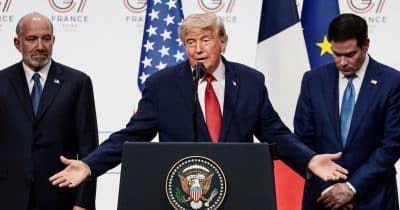
President Trump is planning to conditionally release Iran's frozen funds and ease sanctions if Tehran meets specific compliance terms, a move that could ripple through global oil markets and reshape US-Iran relations. The proposal, still in early stages, would unlock billions of dollars held abroad while requiring Iran to adhere to nuclear and regional security commitments.
The conditional framework
The plan ties the release of frozen assets to verifiable steps from Iran. Compliance demands haven't been detailed publicly, but the administration has long insisted on curbs to Iran's ballistic missile program and support for proxy groups. The funds — estimated at over $6 billion from oil sales under previous sanctions waivers — are largely held in South Korea, Iraq and other nations. Trump's team hopes this leverage can force concessions without triggering a broader crisis.
Impact on oil markets
Iran's return to fully unhindered oil sales could add more than a million barrels per day to global supply. That would likely push down crude prices, already volatile amid OPEC+ cuts and weak demand. Traders are watching closely: any sign of Tehran's compliance could trigger a sell-off. The White House hasn't said whether sanctions relief would extend to the energy sector, but the mere possibility has analysts reassessing supply forecasts.
Geopolitical implications
The conditional release marks a sharp turn from the administration's previous maximum-pressure campaign. European allies, who have criticized the US withdrawal from the 2015 nuclear deal, may view the move as a step toward dialogue. Meanwhile, Gulf states like Saudi Arabia and the UAE worry that a resurgent Iran could upend regional power balances. Israel has already voiced opposition, arguing that sanctions relief would fund Iranian aggression.
What compliance entails
Iran must demonstrate concrete steps — not just promises — before any funds are freed. The US is expected to set benchmarks on uranium enrichment levels, inspections by the International Atomic Energy Agency, and support for Houthi rebels in Yemen. Tehran's leadership has so far rejected preconditions, calling them humiliating. Whether the regime will accept the offer remains an open question, one that could determine whether the plan dies or sets the stage for broader talks.
The administration hasn't set a deadline for Iran's response, but negotiations with intermediaries are expected in the coming weeks. If no deal emerges, the US could tighten sanctions further. For now, the ball sits firmly in Tehran's court.