President Donald Trump is planning to escalate military operations against Iran, according to sources familiar with the matter. The move could destabilize global oil markets, drive up energy costs, and heighten geopolitical tensions across the Middle East. No formal announcement has been made, but the plans are being developed within the administration.
Potential fallout for oil markets
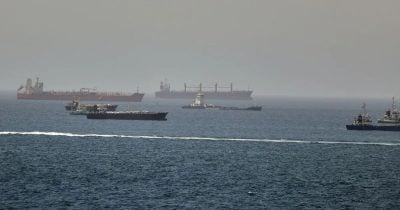
An escalation of U.S. military action against Iran would likely disrupt oil shipments through the Strait of Hormuz, a critical chokepoint for about 20% of the world's crude. Traders are already on edge. Any sustained conflict could send prices spiking, with ripple effects for economies that rely on stable energy imports. The exact scope of the planned operations remains unclear, but the risk is real.
Energy costs at home and abroad
Higher oil prices don't stay at the pump. They feed into heating bills, transportation costs, and the price of goods. For American consumers, that could mean a sudden jump in household expenses. The administration has not outlined any contingency plans to blunt the impact, leaving many to wonder how long any price surge might last. In Europe and Asia, the stakes are even higher — those regions import a larger share of their energy from the Gulf.
Geopolitical tensions on the rise
Beyond economics, the plan threatens to inflame already raw relations between Washington and Tehran. Iran has warned in the past that it would retaliate against U.S. allies in the region. A broader conflict could draw in proxies from Yemen to Lebanon, further destabilizing an already volatile part of the world. Allies in Europe and the Gulf have not been briefed on the details, and it's uncertain how they would react.
The White House did not respond to a request for comment. For now, the plan exists in a classified realm — no timeline, no specific targets, only the prospect of a larger war.