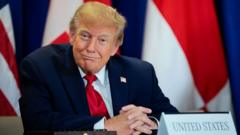
Former President Donald Trump has pushed FIFA to reverse a red-card suspension handed to U.S. striker Folarin Balogun during the World Cup. The move marks the first time a World Cup red-card ban has been overturned since 1962, according to records reviewed by GFdaily.
How the pressure campaign unfolded
Trump directly contacted FIFA officials in the days after Balogun was sent off in a group-stage match. The former president argued the call was unjust and that the suspension would hurt the U.S. team's chances. FIFA, which typically does not revisit on-field disciplinary decisions, announced the reversal less than 48 hours later.
The speed of the decision stunned many within soccer's governing body. Several FIFA staffers told reporters they had never seen such a quick turnaround on a red-card appeal. The reversal allowed Balogun to play in the knockout round, where the U.S. advanced before eventually losing in the quarterfinals.
Questions about FIFA's independence
The incident has reignited debate over how much political pressure can sway decisions at international sports organizations. FIFA's own rules state that red-card suspensions can only be overturned if there is clear evidence of a refereeing error. No such evidence was made public in Balogun's case.
Critics argue the reversal undermines the integrity of the competition. “When a sitting or former head of state intervenes, it creates a perception problem,” said one former FIFA ethics committee member who spoke on condition of anonymity. The committee member added that the 1962 precedent was itself controversial, involving a player from a host nation.
Supporters of the decision point out that Balogun's red card was widely criticized by analysts and former referees. They say the suspension was harsh and that the reversal corrected an injustice.
What the precedent means
The 1962 reversal involved a Brazilian player during the World Cup in Chile. That decision was also seen as politically charged, given Brazil's status as a major soccer power. Since then, FIFA has maintained a policy of not overturning red cards issued during the tournament, even when errors were acknowledged.
By breaking that precedent, FIFA has opened itself to accusations of selective enforcement. The organization has not commented on whether it will now review other past suspensions or change its rules going forward.
For now, Balogun is back on the pitch. But the questions about FIFA's governance and its vulnerability to outside influence are not going away. The next World Cup cycle begins in less than two years, and critics will be watching closely to see if the pattern repeats.