President Trump this week called on NATO to take action at the Strait of Hormuz, threatening to use military force if necessary. The stance risks escalating US-Iran tensions and could reshape the alliance's role in the region, while also sending ripples through global oil markets.
Why the Strait of Hormuz matters
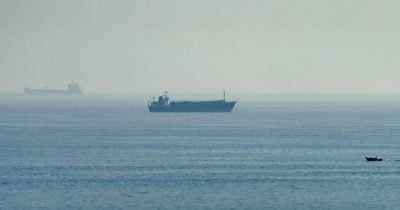
The narrow waterway between the Persian Gulf and the Gulf of Oman is a critical chokepoint for global oil shipments. Roughly a fifth of the world's petroleum passes through it daily. Any disruption — whether from mines, naval skirmishes, or a blockade — would send crude prices soaring. The Trump administration has long viewed Iran's ability to threaten the strait as a strategic vulnerability that must be addressed.
What Trump is asking NATO to do
The president's request for NATO action goes beyond previous deployments. Past naval patrols in the area have been led by the US and allied navies on an ad hoc basis. Trump is now pressing for a formal, alliance-wide commitment — something NATO has not done since the Cold War in such a volatile theater. The alliance's members have not yet responded publicly, but several European capitals are known to be wary of being drawn into a direct confrontation with Iran.
Impact on oil markets and diplomacy
Oil prices have already edged higher in anticipation of heightened tensions. Analysts tracking the market note that any signs of military buildup around the strait could lead to a sustained premium on crude. At the same time, Trump's tough line reduces the room for diplomatic concessions. Tehran, which has previously signaled willingness to negotiate over its nuclear program and regional influence, now faces a harder US position backed by the threat of NATO force. The result, critics say, may be a closed window for talks.
What comes next
NATO defense ministers are expected to take up the request in the coming weeks. The White House has not set a formal deadline, but administration officials have made clear they want a decision before the end of the quarter. Whether the alliance can agree on a unified role — or whether the US will act alone if NATO declines — remains an open question that will shape the next phase of the Iran standoff.