Iran and Oman are drafting a waterway deal that could bypass key regional chokepoints. But Donald Trump has rejected any Iranian control or transit fees tied to the route, throwing the proposal into uncertainty.
Trump's rejection of Iranian control
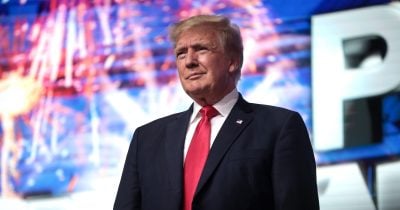
Trump's opposition targets Tehran's demand for oversight and revenue from the waterway. The former president's stance aligns with his administration's broader pressure campaign against Iran, though he is no longer in office. His rejection signals that any deal granting Iran leverage over the waterway would face stiff political headwinds in the U.S.
The sanctions variable
The deal's potential to reshape regional power dynamics and global energy markets depends heavily on whether U.S. sanctions on Iran are lifted. Without sanctions relief, Iran's ability to participate in the waterway project would be severely limited. The drafting process continues, but the sanctions question remains unresolved.
Regional power dynamics and energy markets
If sanctions are lifted, the waterway could alter the flow of oil and gas, reducing dependence on the Strait of Hormuz. That would shift influence in the Persian Gulf and beyond. For now, the deal is a draft — and Trump's rejection makes its future anything but certain.