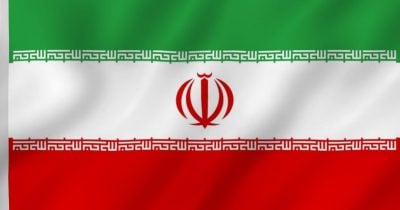
President Trump has flatly refused to offer Iran any sanctions relief in exchange for giving up its uranium stockpile or striking a new nuclear deal. The decision, confirmed by administration officials, throws a wrench into an already fragile negotiation process and leaves diplomats scrambling for alternatives.
Why the rebuff matters
Sanctions relief has long been the central carrot in talks with Tehran. Without it, Iran has little incentive to curb its nuclear program. Trump's stance effectively takes that option off the table, narrowing the path to a potential agreement. The move also signals that the U.S. is unwilling to ease economic pressure, even if it means walking away from a deal entirely.
Iranian negotiators had been hoping for at least a partial rollback of sanctions as a confidence-building measure. That now looks unlikely. The rejection could harden positions on both sides, making it harder for international mediators to bridge the gap.
Impact on diplomatic efforts
The refusal is likely to complicate mediation by European and Gulf states that have been trying to restart talks. France and Germany have pushed for a phased approach, with small sanctions relief tied to verifiable steps by Iran. Trump's no-compromise line undercuts those efforts.
Diplomatic relations between Washington and Tehran, already near a low, face further strain. Without the prospect of relief, Iran may accelerate enrichment or move closer to a breakout capability. That would raise the stakes and could trigger a broader crisis in the Middle East.
International mediators now have to find a new formula. But with the U.S. unwilling to offer the main incentive, their toolbox is nearly empty. One European diplomat, speaking on condition of anonymity, called the situation 'a dead end unless something changes.'
Market outlook
The rejection also ripples through global markets. Oil traders had been watching the nuclear talks closely, expecting that a deal might bring Iranian crude back into global supply. That prospect now fades. Crude prices ticked up slightly on the news, reflecting expectations of continued tight supply.
Shipping and insurance firms that had been preparing for a potential lifting of sanctions are now reassessing. Investors in Iran-linked sectors, from energy to infrastructure, are pulling back. The longer the standoff lasts, the more uncertainty it creates for markets already nervous about Middle East instability.
So far there's no sign of a change in Trump's position. The question now is whether Iran will come back to the table with new terms, or whether the diplomatic window will close entirely. No new talks have been scheduled.