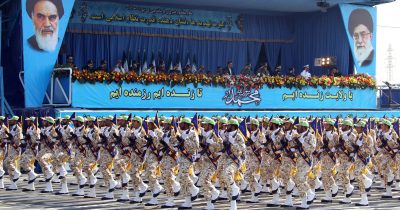
President Trump told Americans they should accept higher gasoline prices as the price of U.S. efforts to restrain Iran. The remark lands as pump prices climb and economists warn about the strain on household budgets and the wider economy.
The Cost of Restraint
Trump framed the rising cost at the pump as a necessary trade-off for tougher action against Tehran. He didn't offer specifics on how long prices might stay elevated or what measures the administration is prepared to take. But the message was clear: the policy comes with a bill, and American drivers are expected to foot it.
That's a hard sell for many families. Gasoline is one of those purchases you can't put off, and when it gets pricier, something else gives.
Household Budgets Under Pressure
Higher gas prices eat into disposable income. For a household already stretched by rent, groceries, and car payments, an extra $20 or $30 at the pump each week means less to spend elsewhere. Retailers feel it first. Restaurants, clothing stores, and entertainment venues all depend on that discretionary spending.
This isn't a hypothetical. Every time fuel costs jump, you see it in consumer behavior. People drive less, shop less, and postpone big purchases. The effect ripples through local economies.
Economic Growth Concerns
There's also the macro picture. If consumers pull back, overall demand weakens. That can slow economic growth at a moment when geopolitical tensions already have markets on edge. Analysts are watching whether higher energy costs tip the balance.
The situation is fluid. What happens next depends on how long the Iran standoff drags on, and whether oil prices keep climbing. For now, the president's message is a blunt one: pay up. Whether the economy absorbs it without a stumble is another question entirely.