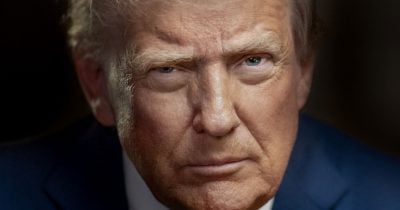
President Donald Trump claims a new agreement with Iran will keep the country from developing nuclear weapons. The proposed deal, if it succeeds, could reshape global energy markets, affect price stability, and shift international alliances.
What the deal would do
Trump said the deal is designed to block Iran's path to a nuclear weapon. The claim comes amid ongoing discussions about Iran's nuclear program and its impact on the Middle East. No details on the agreement's terms or timeline have been released.
Global energy dynamics at stake
A successful deal would likely alter how energy flows around the world. Iran holds some of the largest oil and gas reserves. Easing restrictions could bring more supply to markets, potentially lowering prices. That shift would affect producers and consumers alike, from OPEC nations to European importers.
Market stability and investor confidence
Market stability is another factor. Uncertainty around Iran's nuclear program has kept oil prices volatile. A clear resolution could calm those fluctuations. Investors and traders watch for any sign of progress, as the deal's outcome directly influences energy sector investments.
Geopolitical ripple effects
The agreement would also reshape geopolitical relations. Iran's role in the region — from its ties with Russia and China to its influence in Iraq, Syria, and Yemen — could change. Neighbors like Saudi Arabia and Israel would face a different strategic landscape. The balance of power in the Gulf and beyond hangs on whether the deal holds.
The success of the proposed deal is far from guaranteed. Its ability to prevent Iran from acquiring nuclear weapons, and the broader consequences for energy and geopolitics, remain open questions.