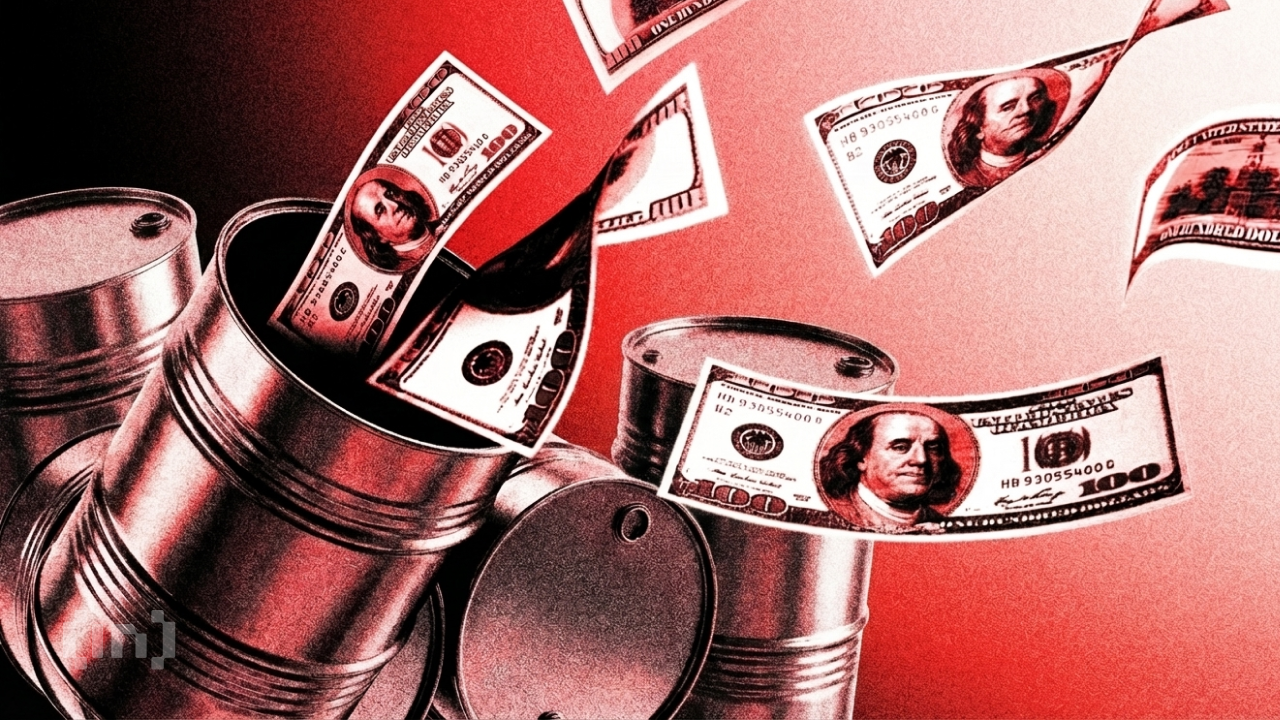
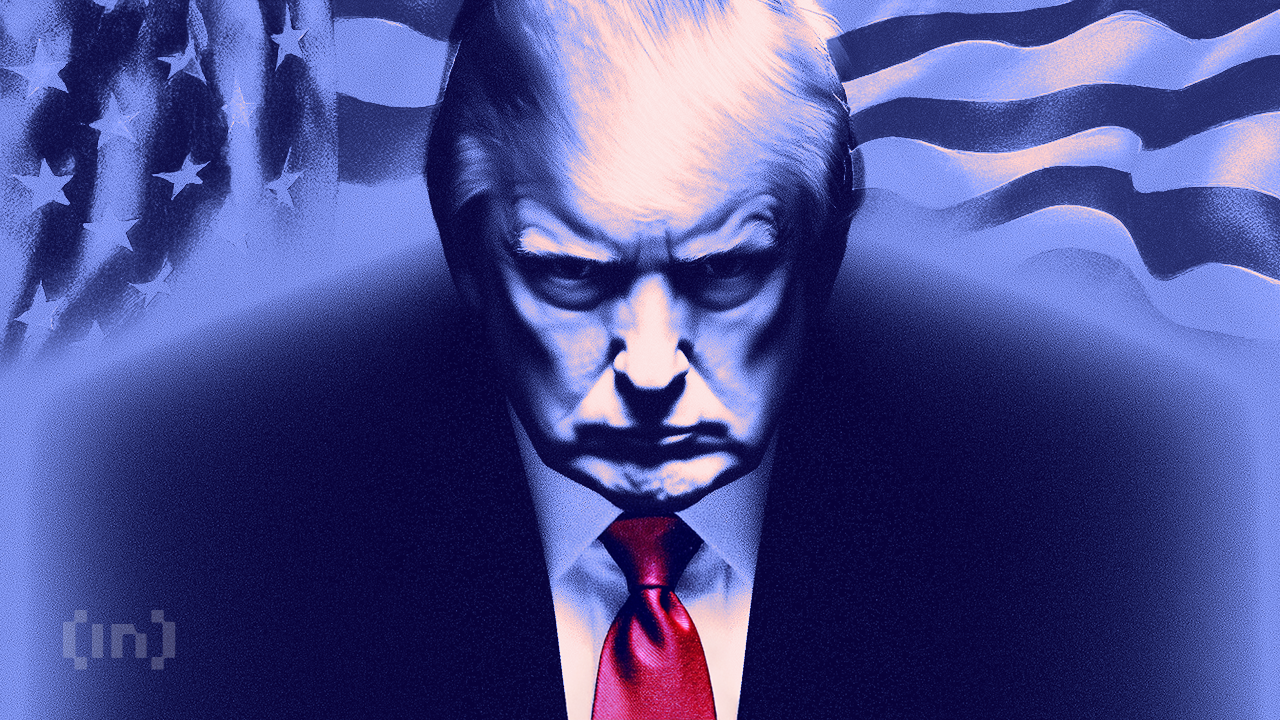
President Donald Trump said the United States could place tolls on ships in the Strait of Hormuz if a peace deal with Iran collapses. The remark came as officials disagreed over whether Iran has actually shut the narrow waterway — a key route for global oil shipments.
The threat and the dispute
Trump did not explain how such tolls would work or who would collect them. He said the measure would be a response if talks with Iran break down. No peace deal has been signed, and negotiations appear stalled.
Meanwhile, officials gave conflicting accounts about the Strait’s status. Some said Iran has closed the route to traffic; others denied that. The confusion reflects the volatile state of U.S.-Iran relations and the strategic importance of the chokepoint, through which about a fifth of the world’s oil passes.
Betting markets shift
On Polymarket, a prediction platform, the odds that Iran would shut the strait — labeled the “Petro-out” contract — slipped to 51.5%. That’s down from higher levels earlier in the week, suggesting bettors see the risk as slightly lower but still a coin flip.
The shift followed Trump’s tolls statement. Markets often react to such political signals, but Polymarket’s numbers show traders remain uncertain about what happens next.
Trump offered no timeline for a peace deal or details on how tolls would be enforced. The Strait of Hormuz sits between Iran and Oman. Any disruption there could send oil prices climbing and rattle global energy markets.