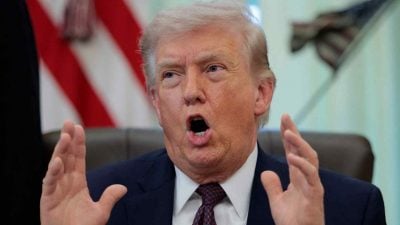
US media reported this week that the Trump administration is asking for revisions to the existing US-Iran nuclear deal. The requested changes zero in on two specific provisions: the Strait of Hormuz and the removal of highly enriched uranium. While the announcement is preliminary and no formal response from Iran has been made public, the move signals a renewed negotiation posture from Washington.
What the edits would change
The Strait of Hormuz is the narrow waterway through which about a fifth of the world's oil passes. Any alteration to the deal that tightens restrictions on Iranian naval activity or transit rights could raise the geopolitical temperature in the region. The second request — removal of highly enriched uranium — is a classic non-proliferation demand. It locks in constraints on Iran's nuclear capability but also gives Tehran a clear red line to push back against.
📊 Market Data Snapshot
Neither side has confirmed the details, and the timeline for any actual amendment remains unclear. The request is widely seen inside the Beltway as a pre-election political move to claim a foreign-policy win, meaning substantive changes could be months away — if they happen at all.
Why crypto traders should watch oil, not headlines
Bitcoin is hovering around $73,800 with low volume and a Fear & Greed reading of 29 — territory that historically amplifies any sudden macro shock. The immediate crypto reaction to the Iran news has been muted, and that makes sense: the market is still laser-focused on Fed rate decisions and ETF flows.
But the real crypto angle isn't a safe-haven bid. It's the energy cost embedded in every Bitcoin mined. A sustained oil price spike — say, Brent crude above $85 a barrel — would raise operating expenses for miners, particularly those using natural gas or oil-linked power. Less efficient miners would be forced to sell BTC holdings just to cover electricity bills, adding sell pressure at a time when order books are already thin.
That scenario isn't imminent. The Strait of Hormuz isn't blockaded, and the US request is a negotiation stance, not a declaration of crisis. But the market microstructure — low liquidity, fearful sentiment — means any escalation would hit harder than historical correlations suggest.
What most coverage is missing
Mainstream reports are framing this as escalating tension in the Middle East. That's half the story. The uranium-removal clause is actually a de-escalation signal: the US is negotiating from a position of strength to lock in constraints, which reduces the probability of a broader military conflict. For long-term risk assets, that's net bullish — if the talks actually progress.
In the short term, the noise around Trump's edits will fade fast unless oil prices move or Iran issues a formal rejection. Crypto will revert to its real drivers: inflation data, the Fed's next move, and whether spot ETF inflows pick up again. The Iran story is a background variable, not the main plot.
The next concrete milestone is Iran's official response, which could come within days or weeks. Until then, the market has little new to price in — and that's exactly why a sudden oil move would catch everyone leaning the wrong way.