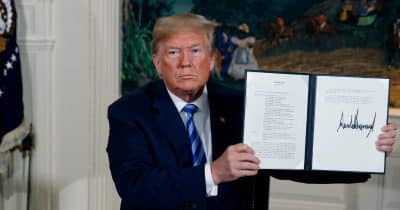
Former President Donald Trump on Monday signaled that the United States will soon ramp up sanctions against Russia, a move that could further disrupt already strained global energy markets and complicate ongoing diplomatic efforts. The announcement came without a specific timeline or details on which sectors would be targeted, but it marks a notable escalation in rhetoric from the Republican front-runner.
Why the signal matters now
Trump's warning lands at a delicate moment. European nations have been struggling to replace Russian oil and gas after previous rounds of Western sanctions, and energy prices remain volatile. Any new restrictions could push prices higher, especially as winter approaches in the Northern Hemisphere. The former president has previously criticized the Biden administration's approach to Russia, arguing it was too weak in some areas and too aggressive in others. His latest statement suggests a more confrontational posture if he returns to the White House.
Potential strain on energy markets
Russian crude and natural gas exports have already been slashed by existing sanctions, but Moscow has rerouted some supplies to China and India. A fresh wave of U.S. penalties could target financial institutions, shipping networks, or insurance providers that facilitate those alternative trade routes. Analysts caution that such moves would likely reduce global supply further, pushing up prices at the pump for American drivers and adding to inflationary pressures worldwide. The International Energy Agency has warned that tighter sanctions could create a supply gap of up to 3 million barrels per day by early next year.
Diplomatic complications
Diplomatic channels between Washington and Moscow are already nearly frozen. Increased sanctions would almost certainly deepen that rift, making it harder to negotiate on issues like nuclear arms control, prisoner exchanges, or ending the war in Ukraine. European allies, who have sometimes struggled to maintain a united front on Russia policy, may face renewed pressure to follow Washington's lead or risk secondary sanctions. Some European capitals have quietly urged caution, fearing that a total cutoff of Russian energy would cripple their economies before alternative sources are secured.
What comes next
Trump did not specify whether the sanctions would require congressional approval or could be enacted via executive order. His campaign has not released a detailed policy paper on the subject. In the meantime, the Biden administration is moving forward with its own review of existing sanctions, though officials have not indicated any immediate changes. The next concrete step will likely come in the form of a formal proposal or executive action, but no date has been set.