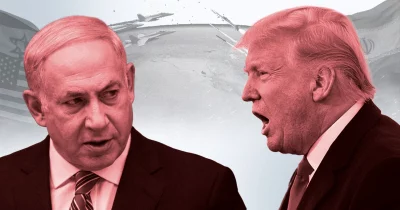
The White House is hinting at additional U.S. military operations against Iran, widening a conflict that has already strained diplomatic channels across the Middle East. President Donald Trump's remarks come as ongoing hostilities between the two nations show no sign of cooling, with analysts warning that the next round of escalation could undercut any remaining peace efforts.
What Trump's remarks suggest
Trump didn't lay out a specific timeline or target, but his language pointed toward a sustained military posture. The president has long framed Iran as a destabilizing force in the region, and his latest comments reinforce that view. Officials familiar with the administration's thinking say the goal is to pressure Tehran into concessions, though critics argue that more strikes only deepen the cycle of retaliation.
No official announcement has been made about the scope or scale of any future operations. The White House has not named a specific commander or unit that would carry out new missions. The lack of detail leaves room for interpretation — but the direction is clear.
Impact on diplomacy and regional stability
Heightened U.S.-Iran tensions are already complicating the work of diplomats across the region. Several European and Middle Eastern governments have privately expressed concern that further military action would make it nearly impossible to restart nuclear talks or secure a ceasefire in proxy conflicts from Yemen to Syria.
Regional peace prospects look fragile. The current conflict has displaced thousands and drawn in allied militias backed by Iran. Any new American strikes risk widening the war beyond its current borders. Neighboring countries like Iraq and Saudi Arabia could be pulled into a broader confrontation, either directly or through proxy forces.
One diplomat, speaking on condition of anonymity, described the situation as a “slow-motion crisis” that leaves little room for back-channel negotiations. The official did not offer a path forward, only noting that the window for diplomacy is narrowing.
Global market and alliance concerns
Investors are watching. Oil prices have already swung on every hint of escalation between the two countries. A sustained U.S. campaign against Iran could send crude costs higher, hitting economies already struggling with inflation. The Strait of Hormuz, a critical chokepoint for global oil shipments, remains a flashpoint. Any disruption there would ripple through supply chains worldwide.
Alliances are being tested. European NATO members have been reluctant to fully back U.S. military moves against Iran, preferring a diplomatic track. Turkey and Qatar, both regional powers with ties to Tehran, have called for restraint. The United States may find itself acting with less coalition support than in previous interventions.
The White House has not commented on how it plans to manage these diplomatic and economic risks. The Pentagon has not issued a public statement on any new troop deployments or operational orders.
For now, the question hanging over Washington and Tehran is simple: how far will each side go before the other blinks? No answer came from the president's latest remarks.