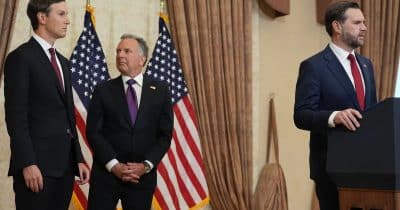
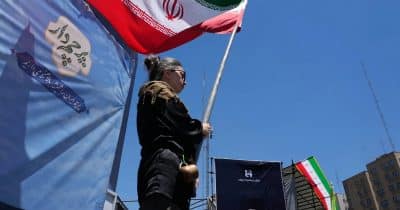
President Donald Trump signed a memorandum of understanding with Iran at the Palace of Versailles this week, a diplomatic step that temporarily eases tensions between the two countries and sent Bitcoin above $67,000 for a brief moment. The MOU touches on oil supply dynamics and, by extension, crypto markets, which have been rattled by Middle East uncertainty. But the deal leaves key disputes unresolved, and traders are already eyeing the next trigger for volatility.
What the MOU does
The agreement, signed on the sidelines of a multilateral gathering in France, aims to de-escalate a confrontation that has threatened shipping lanes and energy prices. Oil markets reacted with a slight dip on the news, and crypto traders interpreted the reduced geopolitical risk as a green light to pile into risk assets. Bitcoin jumped to just over $67,000 before settling back, though the move was short-lived.
Why crypto traders cared
Bitcoin's correlation with global macro risk has been on display all year, and a US-Iran standoff was one of the big unknowns hanging over the market. Any sign of thawing relations tends to boost appetite for assets that thrive on stability. The spike above $67K was a relief rally, but the fact that it didn't hold suggests the market is still pricing in a non-zero chance of renewed confrontation.
The part that's not settled
The MOU is temporary and leaves unresolved issues—including the specifics of sanctions relief and Iran's nuclear program—open for future talks. That ambiguity means volatility could snap back. A breakdown in follow-up negotiations, or a miscalculation by either side, would hit oil and crypto alike. The next few weeks of diplomatic back-and-forth will be the real test.
Both sides are expected to meet again within 30 days to hash out details. Until then, markets will trade on headlines. For crypto, the brief trip above $67K is a reminder that macro catalysts still dominate the narrative—and that the next tweet or statement from Versailles could move prices just as fast.