The Trump administration is stepping up its targeting of Iran's oil trade, a move that directly affects China, a major buyer of Iranian crude, and adds a fresh layer of friction to already tense US-China relations. The pressure campaign, unfolding amid heightened US-Iran tensions, also casts a shadow over any potential path back to a diplomatic deal between Washington and Tehran.
China's Exposure to Iranian Oil
China has long been one of the largest purchasers of Iranian oil, often stepping in to buy when other countries comply with US sanctions. The new targeting means Chinese refiners will have to scramble for alternative supplies or risk running afoul of US penalties. That could push up costs for Chinese energy buyers and complicate Beijing's efforts to secure steady crude imports.
The impact is not just commercial. It adds to a long list of disputes between the two superpowers, from trade to technology to military posturing. Every new point of friction makes it harder for the two sides to cooperate on issues where they have shared interests, like climate change or regional stability.
A Blow to US-Iran Diplomacy
The targeting arrives at a delicate moment. The United States and Iran have been engaged in indirect negotiations over the nuclear program, but progress has been slow. Any move that tightens the economic screws on Iran is likely to harden Tehran's position, making a compromise less likely.
The administration's willingness to go after oil revenue suggests it is not prioritizing diplomacy, at least not right now. That could push any deal further out of reach, even as both sides say they are open to talks. The oil trade has been a central point of contention in previous negotiations, and this move only deepens the divide.
Global Oil Market Uncertainty
Iran's oil exports, while reduced from their peak, still matter to global markets. Cutting them further would tighten supply and could push prices up, especially if other producers don't step in to fill the gap. That's a risk for the global economy, which is already dealing with inflation and supply chain strains.
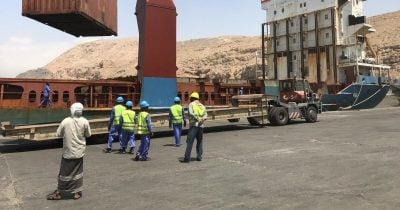
The move also creates uncertainty for shippers, insurers, and traders who handle Iranian crude, making them wary of new transactions. Even the threat of additional enforcement can disrupt the flow of oil, as companies avoid the risk of penalties.
A New Friction Point for Washington and Beijing
The timing is notable. Washington and Beijing have been trying to manage their rivalry, with high-level meetings and occasional cooperation on issues like climate change. Targeting Iran's oil trade, which China depends on, is likely to be seen in Beijing as a deliberate provocation.
It could lead to retaliation, perhaps in the form of reduced cooperation on other fronts or even new trade measures. The relationship, already fragile, now has another point of contention. For China, energy security is a strategic priority, and any threat to its oil supply will be taken seriously.
The next test will come when the administration decides whether to extend waivers or impose new penalties on entities that handle Iranian oil. Chinese refiners are watching closely, as are diplomats in both Tehran and Washington. How the administration balances its pressure campaign with its stated interest in talks remains an open question.