The United States has resumed a naval blockade and airstrikes against Iran, with President Donald Trump threatening to target Iranian power plants. The escalation, which risks a humanitarian crisis and could lead to a formal U.S. war declaration, is already rattling global markets and destabilizing the region.
Why the power plants are in the crosshairs
Trump's threat to strike Iran's power infrastructure marks a significant broadening of the military campaign. The president did not specify which plants could be hit, but analysts say such attacks would cripple Iran's electrical grid, affecting hospitals, water treatment, and basic civilian life. The move appears designed to increase economic pressure beyond the existing blockade, which has already restricted Iran's oil exports and access to international banking.
The White House has framed the threat as a response to Iran's alleged support for militia groups attacking U.S. forces in the region. But critics warn that targeting power plants crosses a line, turning a military confrontation into a direct assault on the civilian population. International law prohibits attacks on infrastructure essential for civilian survival unless it is used for military purposes, a threshold that may be hard to prove.
Blockade and airstrikes resume
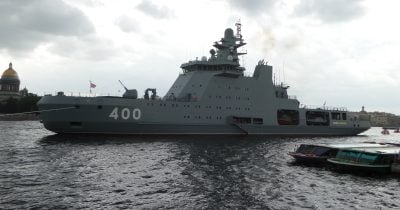
The renewed blockade, which began earlier this week, involves U.S. Navy vessels intercepting cargo ships bound for Iranian ports. Airstrikes have also resumed against what the Pentagon describes as Iranian-linked weapons depots and drone facilities in Syria and Iraq. The operations mark a return to the maximum pressure campaign Trump pursued before leaving office, but with a more aggressive military component.
Iran has responded by threatening to close the Strait of Hormuz, a chokepoint for about a fifth of the world's oil supply. That threat alone has sent crude prices higher, with Brent crude jumping 4% in two days. The U.S. has warned it will not tolerate any disruption to shipping, raising the risk of a direct naval confrontation.
Humanitarian and economic fallout
The blockade is already squeezing Iran's economy, which was already struggling under sanctions. Food and medicine imports are being delayed, and the rial has hit new lows against the dollar. Humanitarian groups warn that if power plants are hit, the impact on civilians will be severe. Hospitals rely on electricity for life-support systems, and water pumps need power to keep running.
Global markets are watching nervously. Oil prices are up, and stock markets in the Gulf have dropped. The uncertainty is also hitting shipping insurance rates and supply chains that depend on Middle East stability. The International Monetary Fund has not yet issued a statement, but economists say a prolonged conflict could tip the region into recession.
The risk of a formal war declaration
Escalation on this scale raises the question of whether the U.S. will eventually seek a formal declaration of war from Congress. The White House has so far relied on the 2001 Authorization for Use of Military Force, but critics argue that targeting Iran's infrastructure goes beyond what that law permits. Some lawmakers have already called for a new debate, though no vote has been scheduled.
Iran's government has warned that any attack on its power plants will be considered an act of war, and has vowed to retaliate against U.S. bases and allies in the region. The situation remains fluid, with no clear off-ramp as both sides brace for further escalation. The renewed blockade is already in effect, and the threat to power plants hangs over the region.