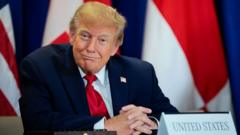
Donald Trump signaled this week that the U.S. is ready to strike Iranian infrastructure if talks over Tehran's nuclear program drag on much longer. The warning, reported by Crypto Briefing, didn't come with a deadline — but it didn't need one. Markets, both crypto and traditional, have already started to flinch.
What Trump actually said
Trump's latest comments point to a more aggressive posture on Iran's nuclear deal, which has been stalled for months. He didn't detail what "strikes" would look like, but the implication is clear: the diplomatic window is narrowing. For markets, that's a red flag. Geopolitical shocks tend to hit risk assets first, and crypto is no exception.
The volatility ripple
Bitcoin and major altcoins saw sharp intraday swings following the news. The moves weren't as dramatic as a flash crash, but traders noted a clear shift in sentiment — more sellers stepping in, tighter stops being hit. The same pattern played out in equities and oil futures. That correlation between crypto and traditional markets has been a theme in 2026, and today's action is another data point.
The timing isn't great. Crypto markets were already skittish after weeks of low volume and range-bound trading. A geopolitical jolt like this can snap traders out of complacency fast. Some are already hedging with options or rotating into stablecoins.
Why this one hits different
Iran isn't a new flashpoint, but the nuclear deal is a specific lever. If talks collapse entirely, the region could see a broader escalation — and that's the kind of uncertainty that freezes capital. Crypto exchanges haven't reported any unusual trading halts or liquidity issues yet, but the next 48 hours will be telling. If traditional markets keep sliding, crypto will likely follow.
There's also the question of how crypto miners or funds with exposure to Middle Eastern capital routes might respond. The facts don't name any specific firms affected, but the risk is real. Any disruption to energy markets — Iran is a major oil producer — could impact mining costs indirectly via electricity prices in some regions.
What comes next
No new talks are scheduled. Trump's team hasn't clarified whether "readiness" means a short fuse or a longer diplomatic push. Markets hate ambiguity, and right now they have plenty of it. For crypto traders, the playbook is simple: watch the headlines, don't over-leverage, and assume volatility sticks around until there's a clear off-ramp.