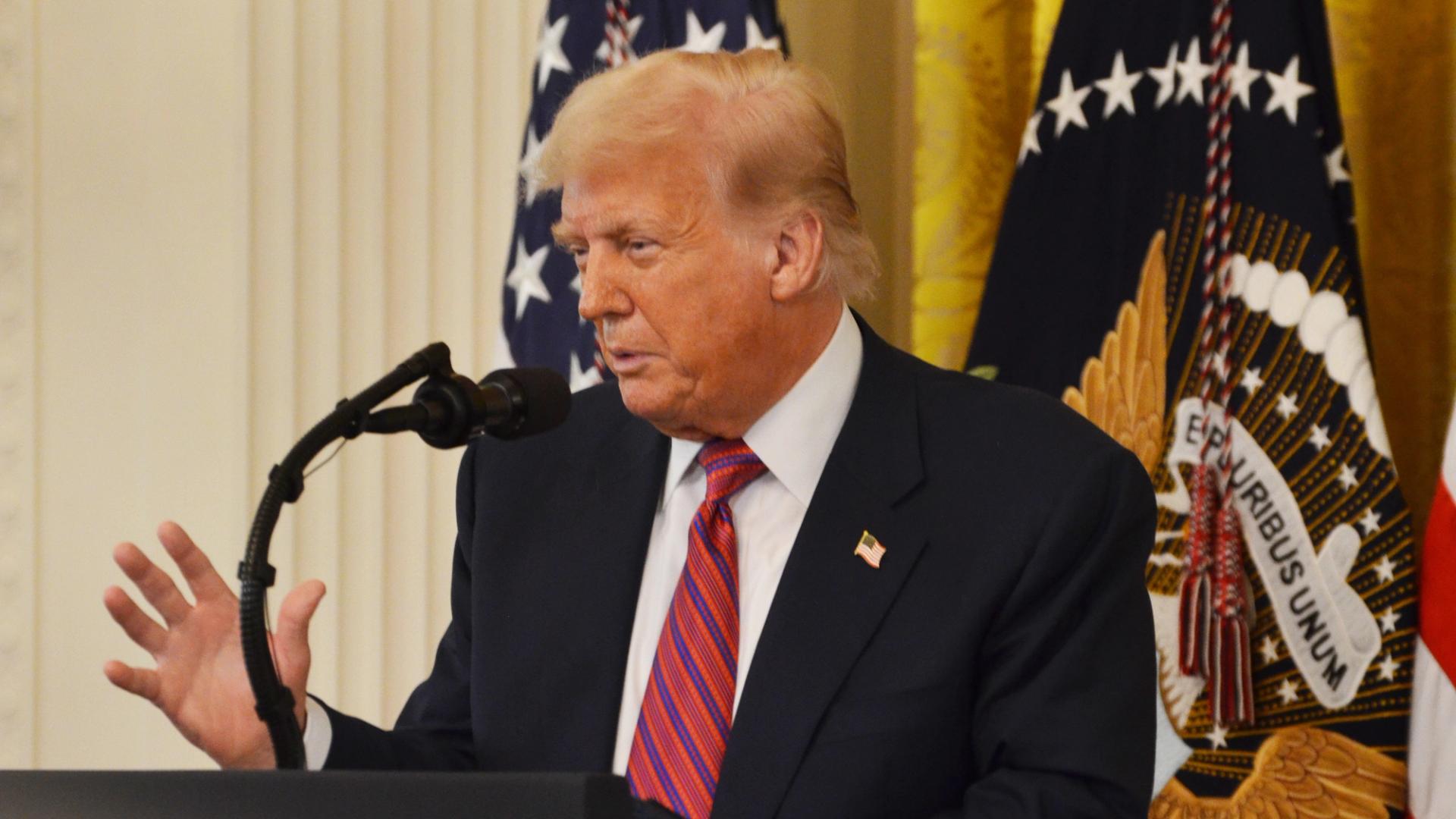
President Donald Trump has threatened to destroy Iranian infrastructure in response to a series of attacks on ships in the Strait of Hormuz, a move that has rattled both oil and cryptocurrency markets. The Strait handles roughly 20% of the world's oil supply, making any disruption a global economic concern.
The threat
Trump's warning came after multiple vessels were targeted near the strategic waterway. The president did not specify which infrastructure he would target, but the language was direct. Iran has not publicly responded to the threat as of Wednesday.
Why crypto markets care
Cryptocurrency markets are not immune to geopolitical shocks. The Strait of Hormuz is a chokepoint for a fifth of the world's oil. Any sustained disruption would push energy prices higher, raising costs for Bitcoin miners and other proof-of-work networks. Higher energy costs can squeeze margins and trigger sell pressure.
Beyond the direct energy link, geopolitical uncertainty often drives traders toward perceived safe havens. But crypto's reaction this week has been mixed — some see Bitcoin as a hedge, others treat it as a risk asset. The result has been choppy trading.
Market reaction
Bitcoin and other major tokens saw increased volatility as the news broke. Trading volumes spiked on several exchanges. The price action was erratic, with sharp moves in both directions as traders digested the threat and its potential fallout.
The timing isn't great. Crypto markets were already dealing with regulatory headwinds and a sluggish summer. A geopolitical crisis adds another layer of uncertainty.
What to watch
The Strait of Hormuz remains the focal point. Any further attacks — or a military response — could escalate quickly. For now, traders are watching for official statements from both Washington and Tehran. The coming days will show whether the threat is rhetorical or leads to concrete action.