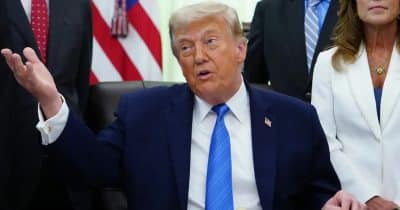
President Donald Trump has linked the renewal of the Foreign Intelligence Surveillance Act (FISA) to a separate voting rights bill, a move that is complicating already fragile negotiations on Capitol Hill. The pairing forces lawmakers to address two high-stakes issues simultaneously, raising the risk of gridlock on both national security and election law reform.
Why the Link Matters Now
By tying FISA renewal to the voting legislation, Trump is effectively making one bill's fate depend on the other. Congressional aides say this strategy is making it harder to find common ground, as each party holds different priorities for the two measures. The White House has not signaled any willingness to separate them, leaving negotiators in a bind.
National Security and Election Law Collide
FISA renewal is critical for intelligence agencies to continue surveillance operations under court oversight. The voting bill, meanwhile, addresses changes to election procedures. Combining them creates a legislative package that touches on two sensitive areas, each with its own political minefields. Some lawmakers worry that the linkage could delay or derail both, especially with limited floor time before recess.
Market Confidence and Political Fallout
The uncertainty is already spilling into financial markets. Investors tend to prefer clear legislative outcomes, and the added complexity is fueling concerns about prolonged partisan battles. Beyond market jitters, the tied bills are also complicating broader negotiations on government funding and other must-pass items. The standoff could test the administration's ability to manage its legislative agenda.
What comes next is unclear. Congressional leaders are weighing whether to attempt a split or push for a combined package, but no decisions have been announced. The clock is ticking as key deadlines approach.