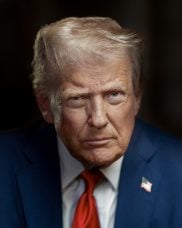
President Donald Trump is set to decide on the Iran nuclear deal, a move that could heighten geopolitical tensions and ripple through global oil markets. He has also demanded the opening of the Strait of Hormuz, the narrow waterway through which about a fifth of the world's petroleum passes. The decision, once announced, is expected to prompt significant diplomatic shifts across the Middle East and beyond.
The Deal on the Table
The nuclear deal — formally the Joint Comprehensive Plan of Action (JCPOA) — was signed in 2015 between Iran and six world powers. Trump has long criticized the agreement, arguing it didn't go far enough to curb Iran's missile program or regional influence. During his campaign, he called it the worst deal ever negotiated. Now, as president, he faces a deadline to decide whether to keep the United States in the pact or pull out.
European allies, including France and Germany, have urged Washington to stay in the deal. They argue it's the best way to prevent Iran from developing a nuclear weapon. But Trump has signaled he wants a tougher stance. His decision will come after months of internal debate among his national security team, with some advisers pushing for a full withdrawal and others calling for a renegotiation.
The Strait of Hormuz Demand
Alongside the deal decision, Trump has demanded the reopening of the Strait of Hormuz, a strategic chokepoint that Iran has threatened to block in the past. The passage connects the Persian Gulf to the Gulf of Oman and the open ocean. Any disruption there would send oil prices soaring and threaten the global economy.
The demand isn't new — U.S. administrations have long insisted on free navigation in the strait. But tying it directly to the nuclear deal raises the stakes. Iran has previously warned it could shut the strait if its interests are threatened. Trump's insistence on opening it could be seen as a provocation, escalating tensions beyond the nuclear issue itself.
Oil Markets on Edge
Global oil traders are watching closely. A decision to pull out of the deal could lead to renewed sanctions on Iranian crude exports, tightening supply and pushing prices up. Adding the Strait of Hormuz demand into the mix makes the picture even more volatile. If the strait were to be blocked, even briefly, the impact would be immediate.
Oil prices have already been volatile this year due to supply cuts from OPEC and other producers. A confrontation with Iran could push them higher, hitting consumers at the pump. Analysts at major banks have warned that any disruption in the Gulf could add $10 to $15 a barrel overnight. The White House has not commented on specific market scenarios.
Diplomatic Ripple Effects
The decision is likely to reshape alliances in the region. Saudi Arabia and Israel have both pressed Trump to take a harder line on Iran. European signatories to the deal, however, fear a U.S. withdrawal would unravel years of diplomacy. Russia and China, also parties to the JCPOA, have signaled they will stick with the agreement regardless of Washington's move.
Iran's government has said it will respond proportionally to any U.S. decision. If Trump pulls out and reimposes sanctions, Tehran could resume high-level uranium enrichment — steps that would bring it closer to a bomb. That would further isolate Iran but also raise the risk of a military confrontation.
Trump's decision is expected in the coming weeks. No exact timeline has been set, but the White House has indicated it will come before a mid-May deadline. Until then, the world waits and watches — oil markets, allies, and adversaries all bracing for the fallout.