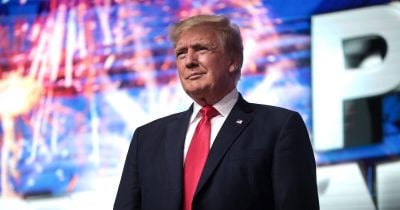
President Donald Trump warned of a sharp escalation in U.S. military operations, declaring 'We'll hit them hard' in a statement that analysts say could rattle global markets and heighten the risk of a broader Middle East conflict. The remark, made without specifying a target or timeline, comes as the administration has already stepped up its military posture in the region.
The president's warning
Trump's blunt language signals a more aggressive phase in U.S. strategy. 'We'll hit them hard,' he said, offering no further details on the scope or location of the planned actions. The statement follows a series of increased military deployments and operations that have drawn concern from allies and adversaries alike.
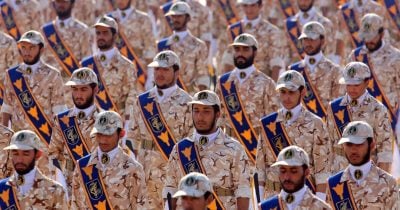
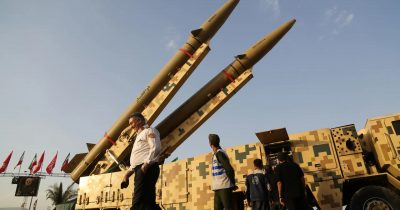
Officials have not publicly identified the intended target, but the region has seen a rise in skirmishes involving U.S. forces and Iran-backed groups. The White House has not issued a formal clarification, leaving room for interpretation about what 'hard' means in practical terms.
Market jitters
Investors are already bracing for volatility. The prospect of a wider war in the Middle East tends to push oil prices higher and send safe-haven assets like gold and the U.S. dollar upward. Stock markets, particularly in energy and defense sectors, could see sharp moves. The uncertainty alone is enough to make traders nervous.
Global supply chains, already strained by other conflicts, face additional risk if key shipping lanes or production facilities become targets. The region accounts for a significant share of the world's oil output, and any disruption would ripple through economies worldwide.
Risk of a broader conflict
Escalation carries the danger of drawing in multiple state and non-state actors. The Middle East is a patchwork of alliances and enmities, and a single miscalculation could trigger a chain reaction. Trump's vow to 'hit them hard' raises the stakes for both the U.S. and its adversaries.
Previous administrations have tried to calibrate military responses to avoid all-out war. The current approach appears to abandon that caution in favor of a more forceful posture. Critics argue that such language can be misinterpreted or provoke a preemptive strike, while supporters say it is necessary to deter aggression.
No timeline has been given for the promised action. The Pentagon has not announced any new deployments or operational changes beyond those already underway. That silence leaves the situation fluid and unpredictable.