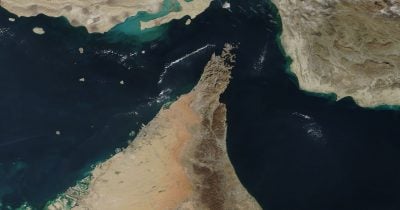
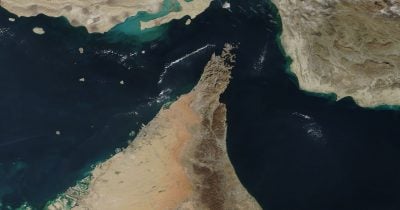
President Donald Trump has warned Iran against placing new mines in the Strait of Hormuz, the narrow waterway that moves a large share of the world's oil. The warning came as the U.S. military strengthens its presence in the region, a move that could ease fears about transit disruptions and help calm global oil markets.
The warning itself
Trump's message to Tehran was direct: no fresh mine placements. The exact wording wasn't released, but the tone was clear. Iran has used mines in the past, and the strait's shallow waters make it a volatile place for shipping. Any new mines would threaten tankers carrying crude to markets around the globe.
The warning doesn't come out of nowhere. Tensions in the area have been high for years, and the U.S. has repeatedly accused Iran of destabilizing maritime traffic. Iran, for its part, has often threatened to disrupt the strait if it feels cornered. This latest statement raises the stakes on both sides.
A bigger U.S. footprint
Alongside the warning, the U.S. has increased its military footprint in and around the strait. Ships and aircraft are more visible now, and that visibility can serve a purpose beyond just firepower. It's a signal to any would-be disruptor that the passage is being watched.
The heightened presence could have a practical effect: stabilizing the shipping routes. When tankers and cargo vessels see military assets nearby, the perceived risk of attack drops. That's not just a psychological boost; it's a cost of doing business. Lower risk means fewer delays, fewer reroutings, and fewer insurance premiums.
So far, the strait remains open and shipping is moving. But the situation is fragile. The U.S. military's presence isn't a permanent fixture, and if the threat of mines recedes, the fleet might pull back. The question is whether the warning is enough to keep the peace.
Oil markets and the calm factor
The strait isn't just a narrow passage; it's a chokepoint for global oil supply. When transit there looks risky, prices spike as traders pay a premium for worry. A more stable environment in the waterway tends to do the opposite.
That's why the current situation matters. If the U.S. presence reduces the chance of disruption, it removes a layer of uncertainty from the oil market. And a market that sees fewer risks is a market that's less likely to see sharp price swings. The effect may already be showing in the quiet trading of recent days.
But stability is fragile. The warning is a threat, not a promise. Iran hasn't publicly responded, and the region has a history of surprises. A single incident—a mine found near a tanker, a standoff between ships—could undo the calm in a few hours.
For now, the strait remains open, and the oil flows. The bigger question is whether Iran will call the bluff. The U.S. has positioned itself to respond, but it's a risk that carries a heavy cost if things go wrong. The next move is Iran's.