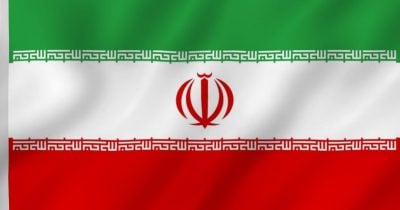
The Trump administration is reportedly considering military action against Iran, even as it signals a willingness to pursue a negotiated settlement, according to officials familiar with internal discussions. The dual-track approach — preparation for a potential strike alongside a stated openness to talks — underscores the high stakes and deep uncertainty surrounding U.S.-Iran relations.
A dual-track strategy
Senior administration officials have discussed military options in recent weeks, including possible strikes on Iranian nuclear or military facilities, the officials said. At the same time, the president has indicated he would be willing to meet with Iranian leaders without preconditions, a position that represents a departure from the previous administration’s insistence on prior concessions.
The internal debate is not new. For months, hawks inside the administration have argued that only the credible threat of force can bring Iran back to the negotiating table. Others warn that any military engagement could escalate into a broader conflict with unpredictable consequences across the Middle East.
The offer of talks
The negotiation window — described by one official as “open but not indefinite” — appears aimed at testing whether Iran is willing to curb its nuclear program and ballistic missile development in exchange for sanctions relief. Iran has so far demanded that the U.S. first lift all sanctions imposed after Washington withdrew from the 2015 nuclear deal, a step the administration has not taken.
European allies have urged restraint, pushing for a diplomatic off-ramp. France and Germany have both offered to mediate, but no formal talks have been scheduled. The window could close quickly if Iran is seen as stalling or if a provocation triggers a military response.
What would military action look like?
Any potential strike would likely target Iranian nuclear sites, such as the enrichment facility at Natanz or the heavy-water reactor at Arak, according to defense analysts familiar with Pentagon planning. The U.S. maintains significant naval and air assets in the region, including B-52 bombers and carrier strike groups, that could be used in a limited campaign.
However, military planners have warned that even a limited strike could prompt Iranian retaliation via proxies in Iraq, Syria, Yemen, or Lebanon, or through attacks on commercial shipping in the Strait of Hormuz. The Pentagon has not received final orders, the officials said, and no decision is imminent.
Unresolved questions
It remains unclear whether the president will ultimately choose a military path or a diplomatic one — or attempt to pursue both simultaneously. What is clear is that the window for diplomacy will not stay open forever. Iran’s nuclear program continues to advance, and the U.S. election cycle is already shaping the timeline for any major decision.
The next concrete step may come when special envoy for Iran, Robert Malley, reports back from his latest round of shuttle diplomacy. No date has been set for that briefing.