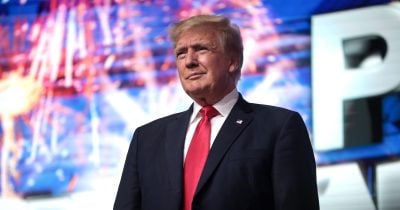
President Donald Trump and Chinese President Xi Jinping met in Beijing this week to hash out trade, Taiwan, and technology cooperation. The summit's outcomes are poised to ripple through global tech supply chains, with direct implications for crypto mining costs, AI development, and the patchwork of digital regulations that govern both industries.
What was on the table
The talks, held on May 17, 2026, covered the usual heavy topics — tariffs, intellectual property, and territorial disputes — but tech cooperation took up a chunk of the agenda. Sources familiar with the discussions say both sides are looking for common ground on semiconductor supply chains and data flows. For the crypto world, that matters because mining hardware, especially ASICs, depends on chips made in Taiwan and China. Any shift in tariffs or export controls could change the price tag for new gear.
Why crypto miners should care
Crypto mining is an energy and hardware race. A big chunk of the world's mining rigs come from Chinese manufacturers like Bitmain, and the chips inside them rely on foundries in Taiwan. If Trump and Xi agreed to ease trade restrictions, miners could see lower equipment costs. If not — or if new tariffs emerge — margins get tighter. The summit didn't produce a final deal, but the tone suggests both sides want to avoid a full-blown tech war. That's a moderately good sign for miners worried about supply shocks.
AI and cross-border digital rules
Beyond mining, the summit touched on AI development and cross-border digital regulations. Right now, the U.S. and China have very different rules on data localization, encryption, and AI safety standards. A joint statement hinted at future working groups to align some of these rules, especially around AI ethics and cross-border data transfers. For crypto projects that rely on global nodes or AI-powered trading bots, clearer rules could reduce legal uncertainty. But don't expect overnight changes — these talks are more about setting the table for later negotiations.
What to watch next
The real test comes in the next few weeks, when trade negotiators from both sides release details on tariff adjustments and tech transfer terms. Crypto mining firms will be watching for any mention of semiconductor tariffs or energy equipment restrictions. AI startups and DeFi platforms, meanwhile, will track whether any digital regulation framework gets a concrete timeline. For now, the market is taking a wait-and-see approach — but this summit could be the start of a serious reshuffle in how the U.S. and China handle the intersection of technology and money.