UAE airspace is fully restored after a period of restrictions, and Dubai Airports is ramping up operations to handle returning traffic. The move signals a clear easing of regional tensions and a step toward stability in Middle Eastern aviation.
Airspace Fully Restored
Authorities completed the restoration of UAE airspace, allowing flights to resume standard routing through the country. The restoration ends a stretch of disruptions that had forced airlines to reroute or cancel services. Dubai Airports, which operates both Dubai International and Dubai World Central, has begun accelerating its schedule to accommodate the returning volume of flights.
The exact timeline of the restrictions wasn't disclosed, but the quick restoration suggests coordination between UAE aviation regulators and neighboring states. For airlines, the reopening means shorter flight paths and lower fuel costs. For passengers, it means fewer delays and cancellations.
Operations Accelerating at Dubai Airports
Dubai Airports is now working to normalize operations across its two hubs. The company is adjusting staffing, gate assignments, and ground handling to match the renewed flight schedules. Dubai International, one of the world's busiest airports for international travel, expects a rapid uptick in both passenger and cargo movement.
The ramp-up comes as the summer travel season approaches. Travelers who had faced uncertainty in recent weeks are now seeing their itineraries stabilize. Airlines are rebooking passengers and reinstating previously suspended routes through Dubai.
Broader Impact on Middle East Aviation
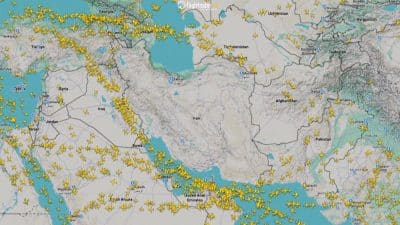
The full restoration of UAE airspace is widely seen as a barometer for reduced tensions across the region. When airspace is disrupted, it ripples through the entire Middle Eastern aviation network — affecting overflight rights, insurance costs, and traveler confidence. Now, with the UAE skies open, other countries in the area may follow suit.
Dubai's role as a global transit hub means its airspace status affects flights between Europe, Asia, Africa, and beyond. A stable UAE airspace environment encourages airlines to maintain or increase frequency through the region. It also reassures insurers and investors that the risk premium on Middle Eastern aviation is declining.
The restoration doesn't solve all regional frictions, but it does mark a concrete improvement. Aviation authorities across the Middle East are likely to coordinate more closely on airspace management going forward.
Airlines and passengers now look for further signs of sustained stability in the region's airspace — particularly from neighboring countries whose own restrictions could still affect flight paths.