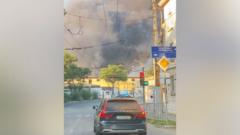
Ukraine has resumed attacks on Russian refineries, and Russia is now facing renewed fuel shortages. The disruption could spill into global energy and food markets, underscoring how fragile supply chains have become.
Renewed Strikes on Refineries
The attacks target processing facilities that are critical to Russia's fuel production. While details of the strikes are limited, the pattern is clear: Ukraine is hitting infrastructure that directly affects Russia's ability to refine crude oil into gasoline, diesel, and other fuels.
These are not isolated incidents. The resumption of attacks suggests a deliberate strategy to pressure Russia's domestic fuel supply, which has already been strained by previous disruptions.
Fuel Shortages at Home
Russia is feeling the impact. Fuel shortages are reappearing, and the effects are likely to be felt across the economy. Trucks, farm equipment, and public transport all depend on a steady supply of fuel, and when that supply tightens, everyday operations slow down.
The shortages are a direct result of the attacks, which have knocked out refining capacity. Even if some units are quickly repaired, the loss of production during the strikes creates a gap that is hard to fill.
Global Market Risks
The risk extends far beyond Russia's borders. Fuel is the lifeblood of the global economy, and any significant disruption in a major producer can send ripples through energy markets. If Russia is forced to cut exports to meet domestic demand, global supply tightens, and prices can climb.
Higher fuel prices don't just hurt drivers. They raise the cost of shipping goods, including food. That can push up food prices worldwide, hitting the most vulnerable populations hardest. The connection between fuel and food is direct, and it's one of the reasons this situation is being watched so closely.
Supply Chain Vulnerabilities
The episode highlights how vulnerable supply chains are to disruptions in key regions. A single country's refinery problems can become a global issue, especially when that country is a major energy exporter. The world has seen this before, but each new crisis reinforces the lesson: supply chains are not as resilient as they might seem.
For Russia, the challenge is to keep its own fuel supply stable while managing the fallout from the attacks. For the rest of the world, the concern is whether the disruption will be contained or whether it will spread.
The coming weeks will show whether Russia can stabilize its fuel supply or whether the attacks force deeper cuts to exports, which would tighten global markets further.