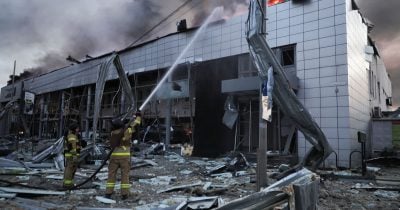
The United Nations Security Council is set to hold an emergency session after a Russian attack on Ukraine. The move underscores rising global tensions that could further complicate efforts to end the war.
Diplomatic path grows murkier
The emergency session highlights how quickly the conflict's dynamics can shift. Peace talks, already fragile, now face additional strain. Diplomatic observers say the attack is likely to harden positions on both sides, making compromise even harder to reach.
This isn't the first time the Security Council has convened over the war. But each emergency meeting tends to amplify the sense of crisis rather than ease it. Member states often use the floor to trade accusations, not offers of concessions.
Heightened tensions and their toll on resolution efforts
The attack comes at a time when some hoped a diplomatic breakthrough was possible. Instead, the violence has escalated. The Security Council session is a formal acknowledgment that the situation has deteriorated.
Global attention will now shift to what the council can actually do. With permanent members holding veto power, action is rarely swift or decisive. Still, the session offers a rare moment for all parties to state their positions publicly.
For Ukraine, the session is a chance to rally international support. For Russia, it's a platform to justify its actions. The result is often a stalemate that leaves the conflict grinding on.
The uncertain road ahead
The council hasn't announced a specific date for the session, but it's expected to convene in the coming days. Whether it will lead to any concrete steps remains an open question. Previous emergency sessions have produced resolutions and condemnation, but no lasting ceasefire.
The attack and the ensuing session have effectively put peace efforts on hold. Diplomats will now have to navigate a more hostile environment. The window for negotiations, already narrow, may have closed further.