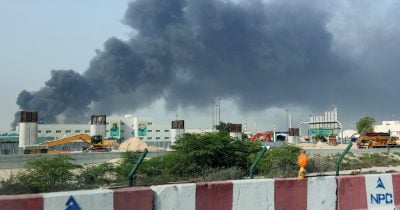
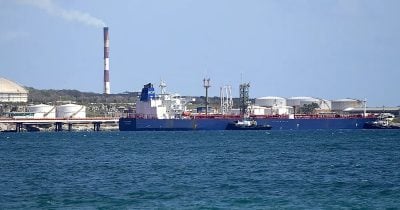
The United States widened its airstrikes on Iran for a sixth straight night, hitting bridges, energy sites, and a key port tower. Meanwhile, the Polymarket prediction market puts the odds of a regime collapse at just 10.5%, suggesting traders see no quick end to the conflict.
The Sixth Night of Strikes
American warplanes targeted infrastructure across Iran, including bridges used for supply routes, energy facilities that power the country's economy, and a major port tower. The strikes are part of an escalating campaign that has drawn international concern. Officials have not described the specific objectives of the latest wave, but the pattern of targets points to an effort to degrade Iran's military and economic capacity.
Fighting in the Strait of Hormuz, a critical chokepoint for global oil shipments, intensified alongside the airstrikes. The Strait has seen increased naval activity and skirmishes, raising fears of disruptions to energy markets. No details on casualties or damage to shipping have been released.
Betting on Regime Change
Despite the sustained bombing campaign, the Polymarket prediction market shows the 'Iran regime-fall Yes' contract trading at a 10.5% probability. That's a low figure for a market that often reflects trader sentiment on geopolitical outcomes. The contract pays out if the Iranian government is overthrown or collapses before a specified date. The 10.5% price implies that most bettors see the current strikes as insufficient to topple the regime.
Prediction markets like Polymarket have gained attention for their track record on political events, but they are not always accurate. The low probability suggests skepticism about the effectiveness of the airstrikes alone, even as the U.S. shows no signs of backing down.
Strait of Hormuz in the Crosshairs
The Strait of Hormuz connects the Persian Gulf to the Arabian Sea and handles about a fifth of the world's oil. The intensification of fighting there adds a new layer of risk. Both the U.S. and Iran have threatened to disrupt shipping, and any escalation could send oil prices soaring. The airstrikes on Iran's port tower are seen as part of an effort to limit Tehran's ability to project naval power.
The region remains on edge. The U.S. military has not announced a timeline for the operations, and the fighting in the Strait shows no signs of easing. The next major development could come from diplomatic channels, but no talks have been publicly confirmed.