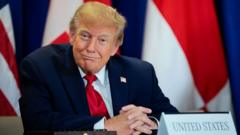
The United States and Iran have committed to reopening the Strait of Hormuz, a critical chokepoint for global oil shipments, during negotiations at the G7 summit. The agreement, announced by officials close to the talks, could ease months of tension that had effectively shut the waterway to commercial traffic. If fully implemented, the move may stabilize oil markets that have been volatile since the strait’s closure earlier this year.
Why the Strait Matters
The Strait of Hormuz connects the Persian Gulf to the Gulf of Oman and the open ocean. Roughly a fifth of the world’s oil passes through it each day, making it one of the most strategically important waterways on the planet. When Iran blocked the strait earlier this year in response to US sanctions, oil prices spiked and shipping insurers raised premiums, pushing up costs for consumers worldwide.
The G7 Pledge
At the summit, both sides agreed to take “concrete steps” to restore passage, according to a joint statement. The commitment came after back-channel talks brokered by European diplomats. Neither Washington nor Tehran provided a timeline for when the strait would be fully operational again, but officials described the mood as “cautiously optimistic.”
Oil Market Fallout
Energy traders have been watching the strait closely. The agreement already sent crude futures lower in early trading Monday, as investors bet that supply disruptions will ease. A reopening could also help stabilize gasoline prices in the US and Europe, which have been drifting upward since the blockade began. But analysts warn that any disruption—a military incident or a breakdown in talks—could send prices back up just as quickly.
Still Unresolved: The Nuclear Issue
Underneath the surface of the Hormuz deal, unresolved nuclear issues still pose significant geopolitical risks. Iran’s uranium enrichment program remains a sticking point. The US has not lifted the sanctions that triggered the initial confrontation, and Tehran has not agreed to roll back its nuclear activities. The two sides have simply agreed to talk about those matters later—a fragile foundation for a long-term reopening of the strait.
What happens next is uncertain. The G7 statement leaves the door open for further talks, but no date has been set for a follow-up meeting. For now, oil tankers wait at anchorage in the Gulf of Oman, and the world holds its breath.