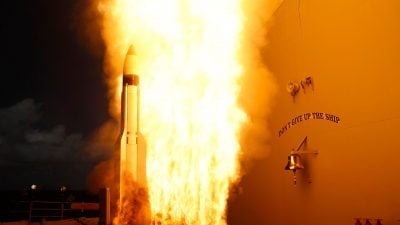
The United States and Iran have agreed to a temporary truce, pulling both countries back from the brink of open conflict. The deal, reached after weeks of back-channel negotiations, immediately sparked a rally across global stock markets as investors breathed a sigh of relief.
Why the truce matters for investors
The truce didn't just remove the immediate threat of war — it also dialed down a key driver of inflation worries. Over the past several months, rising tensions in the Middle East had pushed oil prices higher and complicated supply chains, feeding into broader price pressures. With the temporary ceasefire in place, those inflation fears have eased noticeably. Major indexes on Wall Street and in Europe posted gains within hours of the announcement, and bond yields ticked lower as the safe-haven trade unwound.
Geopolitical risk and market stability
Geopolitical shocks of this magnitude don't usually stay contained. A full-scale war between the US and Iran would have threatened shipping lanes, disrupted energy markets, and sent shockwaves through an already fragile global economy. Analysts had warned that such a conflict could push inflation back up just as central banks were starting to consider rate cuts. The truce removes that worst-case scenario for now, but it doesn't eliminate the underlying tensions. Investors are watching closely for signs of a longer-term deal or, alternatively, a breakdown that could revive the same risks.
The truce is temporary, and no formal peace framework has been announced. That leaves a big question hanging over markets: how long will it hold? Both sides have reason to avoid a war right now, but the deep mistrust and competing interests in the region mean the calm could be fragile.