Executive Summary
U.S. naval forces and Iranian units have each imposed blockades across the strategic Strait of Hormuz, a move described by veteran journalist Lyse Doucet as a "test of wills." The ongoing standoff amplifies geopolitical risk, prompting a swift shift in risk appetite that is already echoing through cryptocurrency markets. Traders are bracing for modest pull‑backs while investors contemplate Bitcoin’s safe‑haven appeal amid heightened uncertainty.
📊 Market Data Snapshot
What Happened
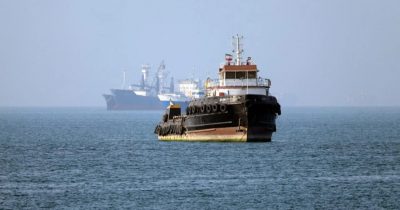
This week the United States and Iran escalated their presence in the narrow waterway that funnels a sizable share of the world’s oil. Both sides have deployed naval assets to restrict passage, creating parallel blockades that signal a direct confrontation without crossing into full‑scale war. The situation remains fluid, with each side monitoring the other's moves closely.
Background / Context
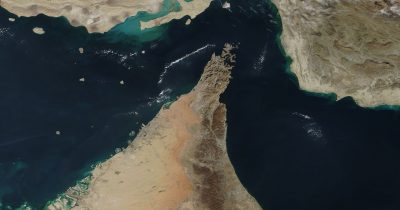
The Strait of Hormuz has long been a flashpoint due to its pivotal role in global energy supplies. Recent diplomatic frictions have prompted the U.S. to reinforce its maritime security posture, while Iran has responded with its own interdiction efforts. The rivalry reflects broader strategic competition and a desire by each nation to assert dominance over a chokepoint that affects oil‑price dynamics worldwide.
Reactions
Lyse Doucet, senior correspondent covering the region, characterized the development as a "test of wills," underscoring the high stakes for both capitals. Regional analysts note that the blockade heightens the risk of accidental escalation, while oil traders warn of potential price spikes if a vessel is seized or missile activity intensifies. Governments and shipping firms have issued advisories urging caution and alternative routing where possible.
What It Means
For the crypto ecosystem, the Hormuz standoff translates into a classic risk‑off scenario. Investors typically retreat from assets perceived as vulnerable to macro shocks, turning to traditional safe‑haven stores such as gold or, increasingly, Bitcoin. The heightened uncertainty also fuels demand for rapid, cross‑border settlement solutions, a niche where digital assets excel.
Recent on‑chain analysis has revealed a surge in Bitcoin and stablecoin inflows to a cluster of wallets tied to major Gulf‑region oil trading firms and shipping insurers. This activity suggests that these entities are loading crypto positions as a hedge against sudden oil‑price turbulence and potential sanctions that could disrupt conventional payment channels.
Moreover, the blockade places pressure on Iranian‑linked mining operations that rely on subsidised natural‑gas power. Disruptions to energy supplies could raise operational costs, shrinking hash‑rate and tightening Bitcoin’s supply side. Simultaneously, stablecoins pegged to oil‑related commodities face de‑peg risk if oil prices swing sharply, potentially triggering liquidation cascades in decentralized finance platforms that use those tokens as collateral.
Market Impact
Crypto markets are already showing a modest pull‑back as risk‑off sentiment spreads. Bitcoin’s dominance remains elevated, indicating that capital is rotating toward the flagship asset while altcoins lag behind. The overall mood is slightly bearish, with traders positioning for short‑term declines across major coins.
Regulatory bodies are also watching closely. U.S. sanctions enforcement could expand to target crypto wallets and exchanges used by sanctioned shipping companies operating in the region. Such moves would create compliance challenges for platforms with exposure to Middle‑East trade flows, potentially prompting sudden liquidity drains.
What Happens Next
All eyes remain on the Strait of Hormuz for any sign of escalation. A seizure of a tanker or an escalation of missile exchanges would likely trigger a sharper spike in oil prices, deepening the risk‑off wave and amplifying Bitcoin’s safe‑haven narrative. Conversely, if diplomatic channels manage to de‑escalate the standoff and oil prices stabilize, crypto markets could rebound quickly, with Bitcoin regaining any lost ground and altcoins recovering more gradually.
Investors should monitor the activity of Gulf‑linked wallets for continued accumulation, as sustained inflows could signal growing demand for crypto‑based settlement services. Additionally, keeping an eye on regulatory announcements regarding sanctions enforcement will be crucial for exchanges and traders operating in the affected corridors.