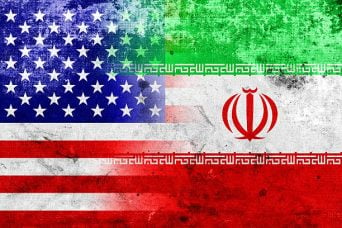
The United States and Iran are closing in on an agreement that would extend a ceasefire and reopen the Strait of Hormuz, a move that could lower regional tensions and steady global oil markets. Officials from both sides have been negotiating behind closed doors for weeks, according to people familiar with the talks. A final deal isn't signed yet, but the outlines are taking shape.
Why the Strait Matters
The Strait of Hormuz is a narrow waterway between the Persian Gulf and the Gulf of Oman. About a fifth of the world's oil passes through it daily. When the strait was effectively shut earlier this year after a series of skirmishes, tanker traffic slowed to a crawl. Insurance rates spiked, and oil prices jumped. A reopening would let crude flow more freely again, cutting off a major source of price volatility.
What Would Change Under the Deal
The ceasefire extension is the first piece. Both sides have agreed to stop attacks on each other's vessels and coastal infrastructure. That pause has held for roughly two months, but it's been fragile. The new deal would formalize that truce and add a commitment to keep the strait open. In exchange, the US is expected to ease some sanctions on Iran's oil exports — though the exact terms are still being hammered out.
If it holds, the agreement would remove one of the biggest flashpoints in the region. Iran has long used the strait as leverage, threatening to block it during standoffs. Taking that threat off the table would reassure shipping companies and oil buyers. It could also open the door to broader talks on Iran's nuclear program, but no one is claiming that's imminent.
Oil Market Impact
Global oil markets have been on edge since the strait started seeing disruptions. Traders have been pricing in a risk premium for every barrel that transits the Gulf. A stable corridor would likely push that premium down. The US and Iran both have an interest in lower prices — Washington wants to contain inflation, and Tehran needs revenue from oil sales. Neither side benefits from a prolonged chokehold on the world's most important energy chokepoint.
The International Energy Agency has warned that a prolonged closure could push prices above $100 a barrel. That hasn't happened, but the threat has kept markets jittery. A deal would remove that cloud.
Unfinished Business
Several details remain unresolved. The exact timeline for reopening the strait isn't public. Iran is asking for guarantees that US sanctions won't snap back quickly, while the US wants verifiable steps that Iran won't re-mine the waterway or harass commercial ships. Negotiators have set a target to finalize the text within two weeks. Until then, the ceasefire continues on a handshake basis — fragile but holding.