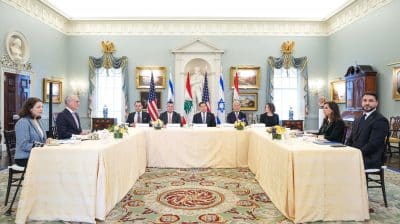
The United States and Iran have launched a 60-day peace deal as nuclear negotiations begin in Switzerland. The agreement, announced this week, sets a two-month window for both sides to work toward a broader understanding. If successful, the deal could reshape US-Iran relations, ripple through global diplomacy, and shift economic markets.
The 60-day window
Neither side has released detailed terms of the interim arrangement. But the timeframe—exactly 60 days—signals a deliberate, short-term commitment. Talks are being held in Switzerland, a neutral venue often used for sensitive diplomacy. The opening of the peace deal coincides with the start of nuclear discussions, suggesting the two tracks are linked.
This isn't a full treaty. It's a pause, a chance for negotiators to test whether a more permanent settlement is possible. The clock is ticking.
Impact on global diplomacy
US-Iran relations have been frozen for decades. A successful outcome here could unlock cooperation on issues far beyond nuclear enrichment. Regional stability in the Middle East, from Yemen to Iraq, is tied to the dynamic between Washington and Tehran. Other world powers are watching closely—European allies, Russia, China, and Gulf states all have stakes in the outcome.
The deal itself doesn't guarantee a broader thaw. But the fact that both sides agreed to a structured 60-day process suggests a mutual desire to test the waters. Diplomats familiar with the talks say the opening is a positive signal, though they caution that hurdles remain.
Economic and market implications
Financial markets have already begun to react. Oil prices edged lower on the news, reflecting expectations that a deal could ease sanctions and bring more Iranian crude to global markets. Investors are eyeing the 60-day window for any sign of progress or collapse. A lasting peace could open Iran to foreign investment, reshape energy flows, and shift trade routes.
But markets are skittish. Past negotiations have collapsed before. The 60-day limit means uncertainty won't disappear quickly. Traders are likely to stay cautious until concrete steps emerge.
Long-term stability questions
The deeper question is whether this deal can hold beyond two months. The potential for long-term stability is real—but so is the risk of a breakdown. Both governments face domestic pressures. Hardliners in Tehran and Washington are skeptical of any engagement. The nuclear talks themselves are technically complex, with verification and enrichment levels still unresolved.
For now, the 60-day peace deal offers a narrow path forward. Whether it leads to a broader diplomatic reset or simply buys time remains the open question. The world will know by the end of the 60 days.