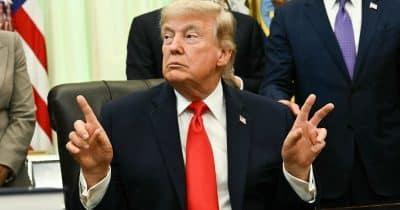
The United States and Iran have signed a memorandum aimed at settling their long-running conflict and boosting traffic through the Strait of Hormuz, a move that could stabilize global energy markets and lower oil prices. The agreement, announced without a specific date or location, marks a rare diplomatic breakthrough between the two adversaries and has the potential to reshape geopolitical dynamics in the Persian Gulf.
Why the Strait of Hormuz matters
The narrow waterway between the Persian Gulf and the Gulf of Oman is a chokepoint for about a fifth of the world's oil supply. Tensions there have repeatedly spiked, with Iran threatening to block the strait and the U.S. Navy escorting tankers. The memorandum directly addresses that flashpoint, aiming to ensure safe passage for commercial shipping and reduce the risk of confrontation at sea.
What the deal could mean for energy markets
Analysts say the agreement could stabilize global energy markets by removing a persistent risk premium that has kept oil prices elevated. If the strait remains open and tensions ease, traders may price in lower geopolitical risk, potentially pushing crude prices down. The effect would be most pronounced if the memorandum leads to a broader de-escalation of U.S.-Iran hostilities, including sanctions relief or renewed nuclear talks, though the text of the document has not been released.
Geopolitical ripple effects in the Gulf
The signing could reshape the balance of power in the Persian Gulf. Regional players like Saudi Arabia, the United Arab Emirates, and Qatar have long been caught between Washington and Tehran. A formal understanding between the two rivals may force them to adjust their own foreign policies. It could also affect the security posture of other Gulf states, which have relied on U.S. military protection against Iranian threats.
Neither side has provided details on implementation or enforcement mechanisms. The memorandum appears to be a framework rather than a binding treaty, leaving many questions about how it will be carried out. Both governments have yet to comment publicly on the specifics.
What remains unclear is whether the memorandum will lead to further negotiations or stall as previous diplomatic efforts have. The next steps—and whether either side follows through—will determine if this is a genuine turning point or another short-lived accord.