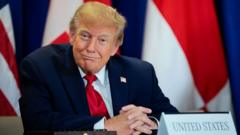
The United States and Iran signed a peace agreement at the G7 summit, ending the naval blockade that had choked shipping through the Strait of Hormuz. The deal, finalized in closed-door sessions, immediately reopened the waterway, which carries about a fifth of the world's oil supply. Marking the first such accord between the two countries in decades, the move could calm global oil markets and reshape diplomacy across the Middle East.
What the Deal Does
Under the terms, both sides agreed to halt hostilities that had escalated after the blockade was imposed last year. Iran will allow commercial vessels and tankers to pass freely through the strait, while the US lifts sanctions tied to the blockade. The agreement does not address broader issues like Iran's nuclear program or regional proxy conflicts, sources close to the talks said. But it removes an immediate threat to maritime traffic that had driven up insurance rates and forced some ships to take longer, costlier routes.
Why Oil Markets Are Watching
The reopening of the Strait of Hormuz is expected to stabilize oil prices, which had spiked by more than 15 percent during the blockade. Traders had been bracing for supply disruptions from key producers like Saudi Arabia, Iraq and the United Arab Emirates. The deal removes that risk, at least for now. Analysts caution that the accord's durability remains untested, but the immediate effect is a flood of crude through the waterway—and lower prices at the pump for consumers worldwide.
Geopolitical Fallout
Beyond oil, the agreement could reduce tensions across the region. Iran's navy had been patrolling the strait aggressively, drawing warnings from US warships and allies. The deal eases that standoff, potentially opening the door for negotiations on other disputes. But it also leaves open questions about how the US will handle Iran's support for armed groups in Yemen and Syria. The G7 summit provided a rare moment of high-level diplomacy, but the real test will come in the weeks ahead, when both sides must show they can implement what they've signed.
Implementation teams are expected to meet within days to hash out details, including monitoring of strait traffic and verification of compliance. The G7 nations, who hosted the talks, pledged to oversee the process. Neither the US nor Iran has appointed a formal envoy yet, but diplomats say the framework is solid. The biggest unresolved question: whether this deal will serve as a stepping stone for broader talks, or remain an isolated fix for a single crisis. The world will get its first answer when the next oil tanker passes through the strait, likely within hours.