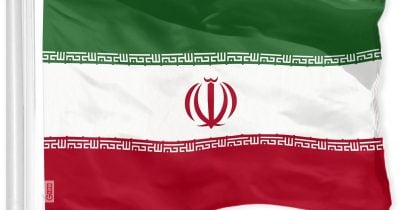
An exchange of fire was reported between US and Iranian forces in the Strait of Hormuz, escalating tensions in a waterway critical to global oil shipments. The incident raises the specter of prolonged disruptions that could threaten energy supplies and destabilize the region.
The Reported Confrontation
Details of the exchange remain scarce, but the mere fact of direct fire between the two militaries marks a significant departure from the posturing and proxy actions that have defined their rivalry. The Strait, a narrow passage connecting the Persian Gulf to the Gulf of Oman, has long been a potential flashpoint. Neither side has yet provided a full account of what triggered the engagement or whether there were any casualties.
Oil Supply in the Balance
A large share of the world's crude oil is shipped through the Strait of Hormuz. Any sustained interruption of that flow would send prices climbing and strain supply chains that depend on the region. The reported fire exchange immediately puts the reliability of that route into question, stoking fears of a prolonged disruption that could hit global markets hard.
Regional Stability at Risk
The confrontation does not exist in isolation. The US and Iran have been locked in a long standoff, and this direct military engagement could trigger further escalation. Neighboring countries and international powers are likely watching closely, aware that a broader conflict could destabilize the entire region. The situation remains fluid, with no clear sign yet of whether de-escalation or further military moves will follow.
It is not known if either side suffered damage or casualties. No official statements have been released detailing the aftermath. The immediate next steps are uncertain, but the risk of a protracted crisis in the Strait has undeniably grown.