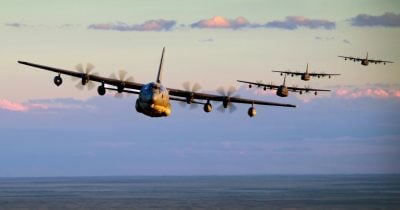
The United States and Israel have attacked multiple Iranian nuclear facilities in a coordinated operation. The strikes, which targeted enrichment sites and research centers, mark a significant escalation in the long-running shadow war between the two nations and Tehran. Iran has not yet confirmed the extent of the damage, but the attacks are already fueling concerns about a broader regional conflict.
The Attacks and Immediate Fallout
Military aircraft and missiles struck at least three nuclear sites early this morning, according to officials briefed on the operation. The targets included the Natanz enrichment facility and the Fordow underground plant, both of which have been under international scrutiny for years. The attacks were carried out by US and Israeli forces working together, a rare joint operation that underscores the urgency Washington and Jerusalem see in curbing Iran's nuclear progress.
Initial reports suggest the strikes caused significant damage to centrifuge halls and some auxiliary buildings. Iran's air defense systems responded, but it's unclear whether they intercepted any incoming munitions. The full extent of the damage and any casualties remain unknown, as Iranian authorities have restricted access to the sites.
Wider Regional Instability
The attacks are expected to deepen instability across the Middle East. Iran has long warned that any assault on its nuclear infrastructure would trigger retaliation. While no immediate response has been announced, analysts fear a cycle of tit-for-tat strikes involving Iran's proxies in Lebanon, Syria, Yemen, and Iraq. The region is already on edge after months of cross-border exchanges with Israel and periodic attacks on US bases.
Neighboring countries are bracing for spillover. Iraq, Kuwait, and Saudi Arabia have all expressed unease about the potential for the fighting to draw in their territories. The risk of a direct Iran-Israel war, once considered low, now looks more plausible.
Airspace Closures and Economic Disruption
Commercial airlines are rerouting flights away from Iranian airspace, and some countries have temporarily closed their own airspace over the Persian Gulf. The closures could disrupt travel and trade routes that pass over the region. Oil prices have already ticked up on the news, as traders weigh the possibility of a supply disruption through the Strait of Hormuz. The strait is a chokepoint for about a fifth of the world's oil, and any blockade or mine-laying would send prices soaring.
The insurance industry is also watching closely. Premiums for ships and planes transiting the region are likely to rise sharply, adding costs to global supply chains that are still recovering from pandemic-era disruptions.
Diplomatic Strain and Global Reactions
The attacks are putting immense strain on international diplomacy. European powers, who have been trying to revive the 2015 nuclear deal, condemned the strikes as a violation of Iran's sovereignty. Russia and China called for an emergency UN Security Council meeting. The United States defended the operation, saying it was a necessary act of self-defense to prevent Iran from building a nuclear weapon. Israel's government argued that the strike was preemptive, aimed at destroying centrifuges that could be used to enrich uranium to weapons-grade levels.
But the diplomatic fallout goes beyond the nuclear deal. The attacks have fractured an already fragile consensus among world powers. Some nations worry that the US and Israel are acting without a clear strategy for what comes next. Others see the strikes as a dangerous precedent that could erode norms against attacking nuclear facilities.
For now, the question remains whether this operation will set back Iran's nuclear program by years or trigger a war that no one wants. and the next moves will determine whether the region tips into a broader conflict.