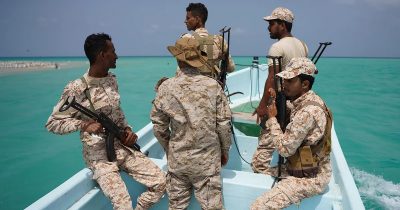
US Central Command has confirmed that it is conducting active blockade operations against Iran, a move that is already heightening tensions across the Middle East and raising the prospect of significant shifts in how the region's airspace is used. The confirmation, delivered without operational specifics, also sent a jolt through global markets as traders weighed the risk of supply disruptions.
What the blockade involves
Blockades are typically naval operations that restrict the movement of ships in and out of a country's ports or territorial waters. CENTCOM did not say which assets are involved, how long the operation will last, or what specific restrictions are in place. The lack of detail leaves room for interpretation, but the confirmation itself marks a clear escalation in the standoff with Tehran.
Airspace under pressure
The blockade's ripple effects are likely to be felt in the skies as well as the sea. Regional airspace is among the busiest in the world, with civilian carriers and military aircraft sharing corridors that connect Europe, Asia, and Africa. Any shift in operations — whether rerouting, temporary closures, or increased military activity — could force airlines to adjust flight paths and add time and fuel to journeys. Military planners, meanwhile, may need to reassess their own air operations in the area.
Markets on edge
The confirmation landed at a sensitive time for global markets. The region is a critical artery for oil and gas shipments, and any disruption to shipping lanes can quickly translate into higher prices for energy and goods. While no specific price movements were reported in the immediate aftermath, traders and analysts are closely monitoring the situation. The blockade's impact on market dynamics will depend on how long it lasts and whether it expands beyond current operations.
What happens next
The immediate question is how Iran will respond. The country has previously threatened to close the Strait of Hormuz, a chokepoint for about a fifth of global oil consumption, in response to pressure. So far, there has been no official reaction from Tehran. CENTCOM's confirmation also leaves open the possibility of further announcements about the blockade's scope. For now, airlines, shippers, and energy markets are left to plan around an operation that has already changed the region's risk calculus.