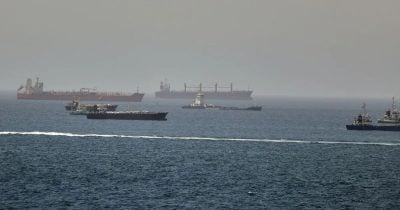
The U.S. military's Central Command has redirected 81 vessels and disabled four more as part of a naval blockade against Iran. The operation, carried out in the Persian Gulf, marks a significant show of force that could raise regional tensions and disrupt global shipping routes. The move is the latest in a series of actions aimed at tightening pressure on Tehran.
Scale of the naval operation
Central Command officials confirmed that 81 vessels were redirected away from their intended paths, while four others were disabled during the blockade. The precise timeline of the operation was not disclosed, but the scale suggests a coordinated effort involving multiple naval assets. The targeted ships are believed to have been heading toward or from Iranian ports, though specific cargo or ownership details remain unclear.
Ripple effects on regional stability
The blockade is likely to inflame an already volatile situation in the Persian Gulf. Iran has previously warned that any interference with its shipping would be met with retaliation, and analysts note that the region is a flashpoint for broader conflict. The move could also strain relations between the U.S. and other Gulf states, some of which rely on the same waters for their own trade. Diplomatic channels have not yet produced a public response from Tehran.
Global shipping at risk
The Persian Gulf is a critical artery for oil and goods moving between Asia, Europe, and the Middle East. With 81 vessels redirected, the blockade is already creating delays and rerouting costs for shipping companies. If the operation continues or expands, it could force carriers to take longer, more expensive routes around the Arabian Peninsula. The ripple effects might push up insurance premiums for ships transiting the region and could eventually hit consumer prices for fuel and other commodities.
The U.S. has not said how long the blockade will remain in place, nor whether additional vessels will be stopped. For now, the question is how Iran chooses to respond—and whether the world's shipping lanes can absorb the disruption without a broader economic shock.