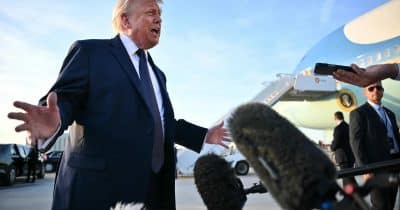
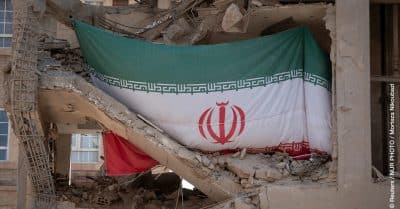
The United States may lift its blockade on Iranian ports after signing a Memorandum of Understanding, according to a suggestion from Vance. The move could reshape trade flows in the region and ripple through global oil markets.
What the MoU and Vance's Suggestion Entail
Details of the Memorandum of Understanding remain sparse, but Vance — whose exact role in the administration wasn't specified — proposed ending the port blockade as part of a broader diplomatic shift. The blockade, in place for years, has restricted Iranian shipping and cut off key trade routes.
Why Regional Economies Could Benefit
Lifting the blockade would reopen Iranian ports to international shipping, potentially stabilizing economies across the Persian Gulf. Countries reliant on Iranian goods or transit trade — including Iraq, Afghanistan, and some Gulf states — could see supply chains ease. Local businesses in port cities like Bandar Abbas might recover lost revenue.
Geopolitical Tensions on the Line
Reducing the blockade could lower friction between Washington and Tehran, as well as between Iran and its neighbors. The move might pave the way for broader negotiations on nuclear or security issues. But critics warn it could embolden Iran's regional activities without concrete concessions.
Iran holds some of the world's largest oil reserves, but sanctions and the blockade have kept much of that supply off the market. If the blockade lifts, Iranian crude could return in significant volumes, putting downward pressure on global oil prices. Analysts caution the impact depends on how quickly Iran can ramp up production and find buyers.
The administration hasn't set a timeline for a final decision. A formal review of the blockade policy is expected in coming weeks.