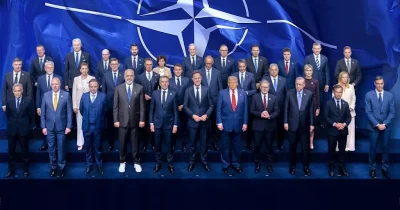
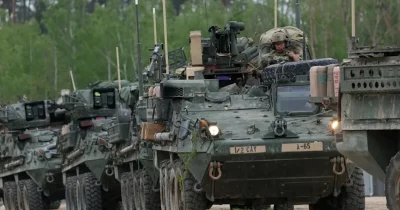
The United States is scaling back its military contributions to NATO, a move that officials say could steer American foreign policy toward diplomatic engagement rather than armed deterrence. The reduction comes at a time of heightened geopolitical tensions, and it immediately raises questions about the alliance's ability to maintain its collective defense posture.
Why Washington is pulling back
The decision to trim U.S. military support was not made in isolation. According to officials familiar with the planning, the shift is partly a response to growing pressure at home to rebalance defense spending and partly a strategic bet that reducing the American footprint could ease some of the friction with adversaries. By dialing back the military presence, the administration hopes to open space for negotiations — a move that could, in theory, lower the risk of immediate conflict. But the calculus is risky. NATO allies have long relied on U.S. hardware, troops, and intelligence-sharing as the backbone of the alliance's deterrent capability.
What the cut means for NATO readiness
NATO's overall readiness was already a concern before the American drawdown. Now, without the full complement of U.S. forces, the alliance's rapid-response capabilities will be stretched. European members have increased their own defense spending in recent years, but not enough to fully compensate for a sustained American reduction. Military planners inside NATO are scrambling to reassess deployment timelines and equipment stocks. The short-term effect is likely to be a thinner presence along the eastern flank, where Russian activity has kept allied forces on alert.
Potential diplomatic payoff — and its limits
The White House has framed the reduction as a dual-purpose move: cut costs and lower the temperature. By stepping back militarily, the U.S. could signal to rivals that it's willing to talk rather than just posture. That might make crisis de-escalation easier in places like Eastern Europe or the Arctic. But the strategy only works if the other side reciprocates. So far, there's no public indication that adversaries are prepared to make concessions in exchange for a smaller U.S. military footprint. And the cut itself might be read not as a peace offering but as a sign of American disengagement — something NATO allies fear could encourage aggressive behavior.
Unanswered question: can Europe fill the gap?
The next few months will test whether European NATO members can pick up the slack. Several governments have announced defense budget increases, but translating those into deployable units takes years. For now, the alliance is left with a hole in its readiness structure and no clear timeline for when — or if — the U.S. will restore its previous level of support. That uncertainty is the most immediate problem NATO faces. The coming summit will be the first real chance to see how allies respond, but no concrete plan has been made public.