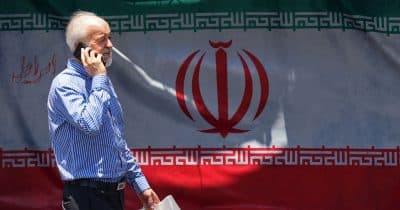
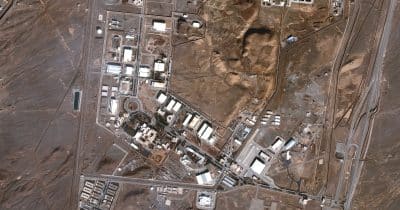
The United States and Iran have finalized a deal that gives Tehran access to oil sales revenue and a $300 billion fund, marking a significant shift in economic pressure. The agreement could reshape Middle Eastern stability, boost Iran's struggling economy, and ripple through global oil markets and investor calculations.
Financial incentives and oil sales
Under the terms, Iran will be allowed to sell crude oil on international markets without the usual sanctions-related hurdles. It will also gain access to a $300 billion fund, though the source of that fund wasn't disclosed in the announcement. For Iran, the deal unlocks revenue streams that have been frozen or restricted for years.
The oil sales provision is the most immediate change. Iran's exports have been slashed since 2018 when the US reimposed sanctions. Now Tehran can start shipping crude again, which could add supply to a market already watching OPEC+ decisions closely.
Stability and economic boost
The deal's backers say it will lower the temperature in the Middle East. Iran's economic troubles have fueled regional tensions, and the hope is that financial relief will reduce the incentive for proxy conflicts. A more stable region means fewer disruptions to shipping lanes and production facilities—something the oil industry and global investors have been anxious about.
For ordinary Iranians, the injection of cash could ease inflation and unemployment. The country's currency has tumbled, and access to hard currency has been limited. This fund provides a cushion.
Market and investor implications
Traders are already recalibrating. Iranian crude coming back online would increase global supply, potentially pushing prices lower. That's good for import-dependent economies but a headache for producers who've enjoyed higher prices. Investors are also watching: energy stocks, emerging-market funds with exposure to the region, and currency markets could all see shifts.
The timing matters. The deal comes as the US and Iran have been locked in indirect talks for months. This is the first major breakthrough, and it signals that Washington is willing to trade financial relief for political concessions. Whether that trade holds depends on implementation.
Iran's oil ministry has yet to announce a timeline for export resumption. The $300 billion fund's release schedule also isn't clear. The next step will be a meeting of the joint commission overseeing the deal, expected within two weeks, where technical details will be hammered out. Until then, markets are guessing.