The United States has issued a direct demand for Iran to publicly declare that it will keep the Strait of Hormuz open to international shipping. The warning comes alongside a stark threat: any Iranian attack on vessels in the strategic waterway will be met with a military response twenty times harder than past strikes.
The demand from Washington
US officials have made clear they want a formal, public commitment from Tehran that the strait will remain open. The demand is not new in substance — Washington has long insisted on freedom of navigation in the region — but the explicit call for a public pledge marks a shift in tone. The administration appears to be drawing a red line in plain sight, forcing Iran to either comply or openly defy the international community.
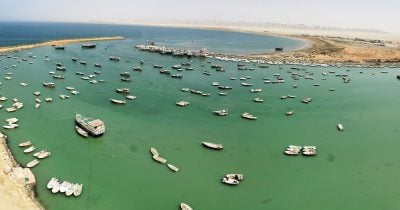
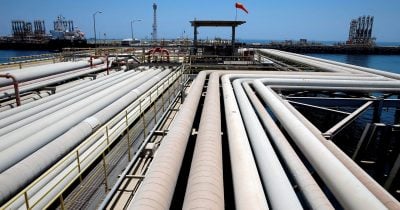
The Strait of Hormuz is a narrow passage between the Persian Gulf and the Gulf of Oman. Roughly one-fifth of the world's oil passes through it daily. Any disruption would send energy prices soaring and could trigger a global economic shock. The US has repeatedly warned that it will not tolerate a blockade.
The military warning
The US threat of a response twenty times harder than past strikes is deliberately vague but unmistakably severe. It suggests that any Iranian mining, missile attack, or small-boat harassment would be met with overwhelming force. Past US strikes in the region have included airstrikes on Iranian-backed militia positions and naval assets. The new language implies a much broader and more destructive campaign.
Iran has not yet responded publicly to the demand. The country's leadership has previously threatened to close the strait in retaliation for sanctions or military pressure. But actually carrying out such a blockade would be a major escalation, one that risks a direct confrontation with the US Navy and its allies.
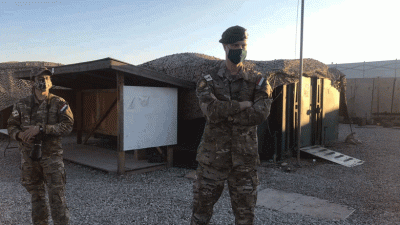
The timing of the US demand is unclear, but it comes amid heightened tensions in the Middle East. The US has been increasing its military presence in the region, including deploying additional warships and aircraft. The message to Iran is unmistakable: keep the strait open, or face consequences far beyond anything seen before.
For now, the ball is in Tehran's court. The US is waiting for a public commitment. Whether Iran will make one — or instead test the limits of the American warning — remains the open question.