The United States has deployed refueling tankers in the Middle East following an Iranian missile attack, a move that underscores the heightened military posture in the region. The deployment comes as analysts warn that any escalation between Washington and Tehran could disrupt the Strait of Hormuz, a narrow waterway that carries about a fifth of the world's oil supply.
Why the tankers matter
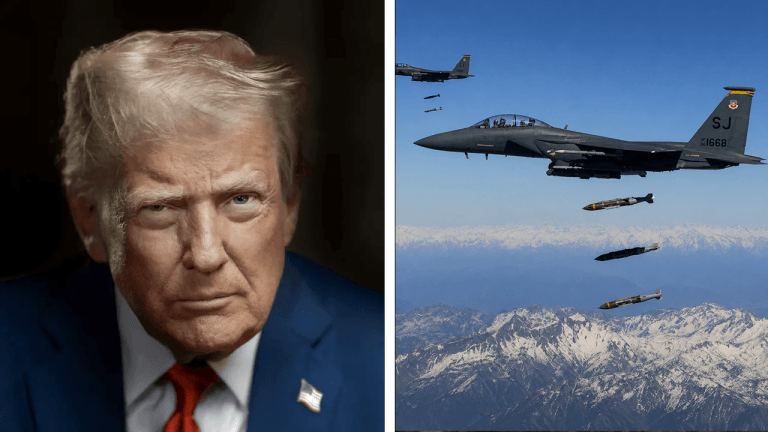
Refueling tankers extend the range and loiter time of fighter jets and surveillance aircraft. Their presence suggests the US is preparing for sustained air operations if needed. The Pentagon has not said how many tankers were sent or where they are positioned, but the timing — right after an Iranian missile strike — signals a readiness to respond.
The Strait of Hormuz risk
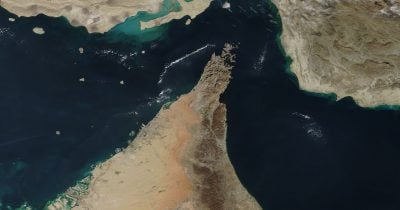
The Strait of Hormuz is a chokepoint between Oman and Iran. Roughly 20 million barrels of oil pass through it daily. Iran has threatened to block the strait in past confrontations, and even a temporary closure would send crude prices soaring. The US Navy maintains a presence there, but a direct clash could disrupt shipping for weeks.
What this means for oil markets
Global oil markets are already jittery. Any sign of trouble in the strait tends to push prices up. So far there has been no major supply disruption, but traders are watching for any escalation. The US deployment could be a deterrent — or a prelude to a broader conflict. Either way, the risk of a spike in oil prices is real.
The next few days will be critical. Iran has not responded publicly to the US tanker deployment. Whether the move de-escalates or provokes further action remains an open question.