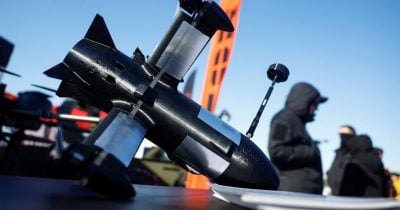
The US Navy disabled the tanker Belma while enforcing a maritime blockade against Iran, a move that signals a sharp escalation in the standoff over the Strait of Hormuz. The operation, carried out amid heightened tensions in the strategic waterway, marks the first known use of direct force to stop a vessel under the blockade. Officials have not detailed the method used to disable the ship, but the action is expected to deter other vessels from attempting to transit the strait.
How the Belma was disabled
Details of the operation remain sparse. The US military confirmed that the Belma was disabled during a routine enforcement of the blockade, which was imposed to restrict Iranian oil exports and pressure Tehran over its nuclear program. No casualties or environmental damage have been reported. The tanker's crew was taken into custody, though their current status is unclear. The US has not said whether the Belma was Iranian-flagged or operated by a third party, but the vessel was believed to be carrying crude oil destined for a foreign buyer.
Why the blockade matters
The Strait of Hormuz is a narrow chokepoint through which about a fifth of the world's oil passes. By enforcing a blockade, the US aims to cut off Iran's primary revenue stream without triggering a wider conflict. But the strategy carries risks. Disabling a tanker in international waters could be seen as an act of war by Tehran, and it may prompt retaliatory strikes against US naval assets or allied shipping. The US has said the blockade is legal under international law, citing self-defense and UN sanctions, though several nations have questioned its legitimacy.
What's at stake for global trade
The disruption of vessel transit through the Strait of Hormuz could send shockwaves through energy markets. Oil prices have already ticked up in response to the Belma incident, and insurers are raising premiums for ships passing through the region. Traders are watching for any sign that the blockade will be tightened or that Iran will attempt to close the strait entirely. Either scenario would choke supply chains and drive up costs for consumers worldwide. The US has said it will ensure freedom of navigation for non-Iranian vessels, but the Belma's disabling has made clear that no ship is immune from inspection or interdiction.
Geopolitical fallout
The incident has deepened the rift between Washington and Tehran, with each side accusing the other of destabilizing the region. Iran's foreign ministry called the disabling an act of piracy and vowed to respond. The US countered that the blockade is a necessary measure to prevent Iran from acquiring nuclear weapons. Meanwhile, Gulf states are treading carefully, balancing their security ties with the US against their economic dependence on Iranian oil. The UN has called for restraint, but no diplomatic resolution appears imminent.
The next few days will be critical. The US is expected to release more details about the Belma's fate, and Iran may announce retaliatory steps. For now, the Strait of Hormuz remains open, but the message from Washington is clear: the blockade is real, and it will be enforced.