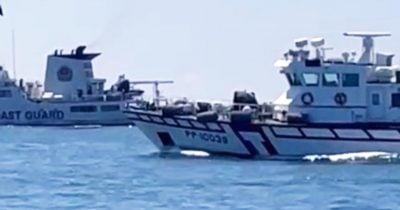
The United States has imposed a tight blockade on Iranian ports, effectively cutting off maritime access to the country. The move has already slowed traffic through the Strait of Hormuz, a narrow waterway critical to global oil shipments, and is raising tensions across the region.
Strait of Hormuz at the center
The blockade targets all vessels bound for Iranian ports, with US naval forces conducting inspections and turning back ships. The Strait of Hormuz, through which about a fifth of the world's oil passes, is now seeing longer transit times and heightened security checks. Shipping companies are rerouting vessels, adding days to voyages and increasing costs.
Iran has not yet announced a formal response to the blockade, but the move is widely seen as a major escalation. The strait has been a flashpoint before; past confrontations involved Iranian speedboats and US warships. This time, the blockade is systematic and broad, leaving little room for negotiation.
Ripple effects on global shipping
Global shipping routes are already feeling the pinch. Container lines and oil tankers that normally call at Iranian terminals are now idling or diverting to ports in the United Arab Emirates and Oman. Freight rates for routes through the Persian Gulf have climbed as insurers raise premiums for war-risk coverage.
One shipping executive, speaking on condition of anonymity, said his company had suspended all bookings to Iran until further notice. “We can't risk having a vessel seized or delayed for weeks,” he said. The disruption is not limited to Iranian trade—ships carrying goods for Iraq and Afghanistan that transit Iranian waters are also affected.
Geopolitical fallout
The blockade is exacerbating geopolitical tensions in an already volatile region. Gulf states, including Saudi Arabia and the UAE, have publicly backed the US action, but privately worry about retaliation from Iran. Tehran has previously threatened to close the Strait of Hormuz if its own access were blocked, a scenario that would trigger a global energy crisis.
European allies have expressed concern. The UK and France called for restraint, urging the US to allow humanitarian cargo through. The US has said it will permit food and medicine shipments, but the approval process remains unclear. Aid organizations report delays in getting supplies into Iran, where inflation and shortages are already severe.
Economic uncertainty deepens
Economic uncertainty in the region is heightened by the blockade. Oil prices have edged up, and traders are bracing for more volatility. Iran’s currency, the rial, has fallen further against the dollar on unofficial markets. Businesses inside Iran are struggling to import raw materials and export goods.
The blockade also threatens broader stability. Analysts at the International Monetary Fund have warned that prolonged disruption could push Iran into a deeper recession and spill over to neighboring economies. For now, the US shows no sign of easing the measures, and Iran has not signaled a willingness to negotiate.
The key question remains: how long will the blockade last, and will it lead to a broader confrontation in the strait? Shipping companies are watching for any sign of Iranian retaliation that could turn a traffic jam into a crisis.