The United States has escalated its military campaign against Iran, launching a new wave of strikes in response to recent Iranian attacks. The move marks a significant uptick in direct confrontation between the two countries, though the full scope of operations remains unclear.
What the expanded strikes involve
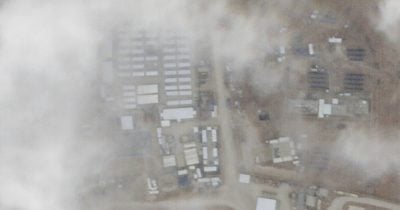
US forces have carried out additional strikes targeting Iranian-linked positions, according to official statements. The operations come after a series of Iranian attacks on US assets and allies in the region. The Pentagon has not disclosed specific locations or the number of targets, but described the action as a direct response to Iranian aggression.
This is not the first time Washington has struck Iranian targets. But the scale and frequency have increased. The administration has framed the strikes as defensive, aimed at deterring further attacks. Critics warn the strategy risks drawing the US deeper into a conflict many hoped to avoid.
Prediction market odds on invasion
On Polymarket, a popular prediction platform, traders now put a 25.5% probability on a US invasion of Iran before 2027. That figure has fluctuated in recent days as news of the strikes broke. The market reflects a real-money bet on whether American ground forces will enter Iranian territory within the next three years.
Another market on the same platform gives a 41% chance that Iran's airspace will be closed to commercial flights by August 31. That deadline is just weeks away. Airspace closure would signal a major escalation, potentially disrupting global aviation routes over the Middle East.
Why the airspace closure matters
If Iran shuts its airspace, airlines would have to reroute flights around the country, adding hours to journeys between Europe and Asia. The move would mirror steps taken during previous conflicts, such as the 2020 US drone strike that killed Qasem Soleimani, when Iran briefly closed its airspace. A longer closure would have serious economic and logistical consequences.
The 41% probability suggests traders see a real possibility of such a step within weeks. The US strikes could be a catalyst. Iran has not yet announced any closure, but its military has warned of retaliation.
What comes next
The immediate question is whether the US will continue to expand strikes or seek de-escalation. The administration has not ruled out further action. Iran's response will likely shape the next phase. The August 31 airspace closure deadline looms, and the invasion probability, while still below 50%, has climbed. For now, the region waits to see if the strikes are a one-off or the start of a broader campaign.